Italian · French · German · Latin · Greek · Ancient Greek
Six languages. One house. Living languages to speak, ancient ones to read. Private lessons and small groups, from your first word to the exam.
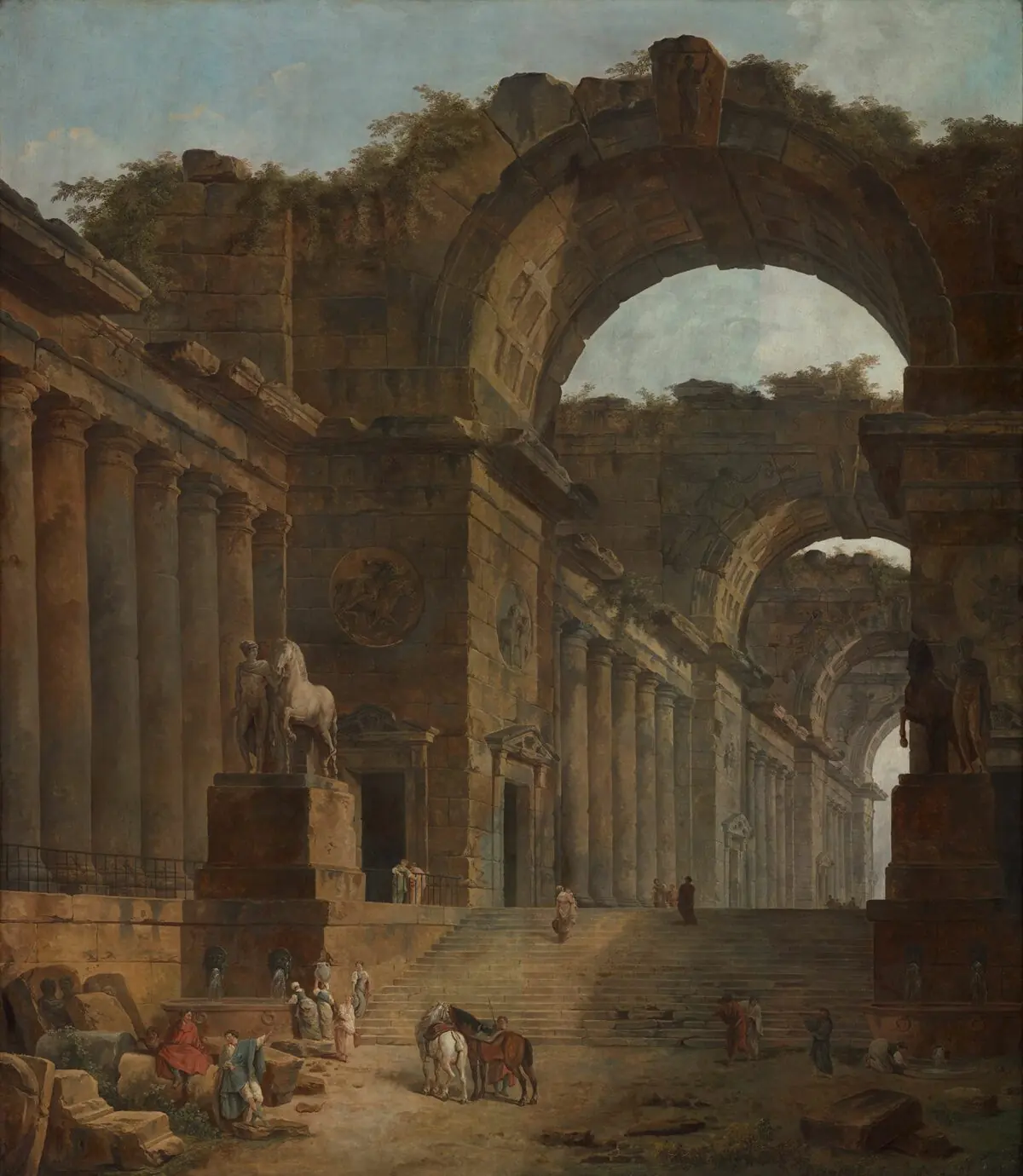
Hubert Robert, The Fountains, 1787–88 · Art Institute of Chicago, CC0 Living languages
Speak it. Italian, French, German and Greek: conversation from the first lesson, with films, news and menus.
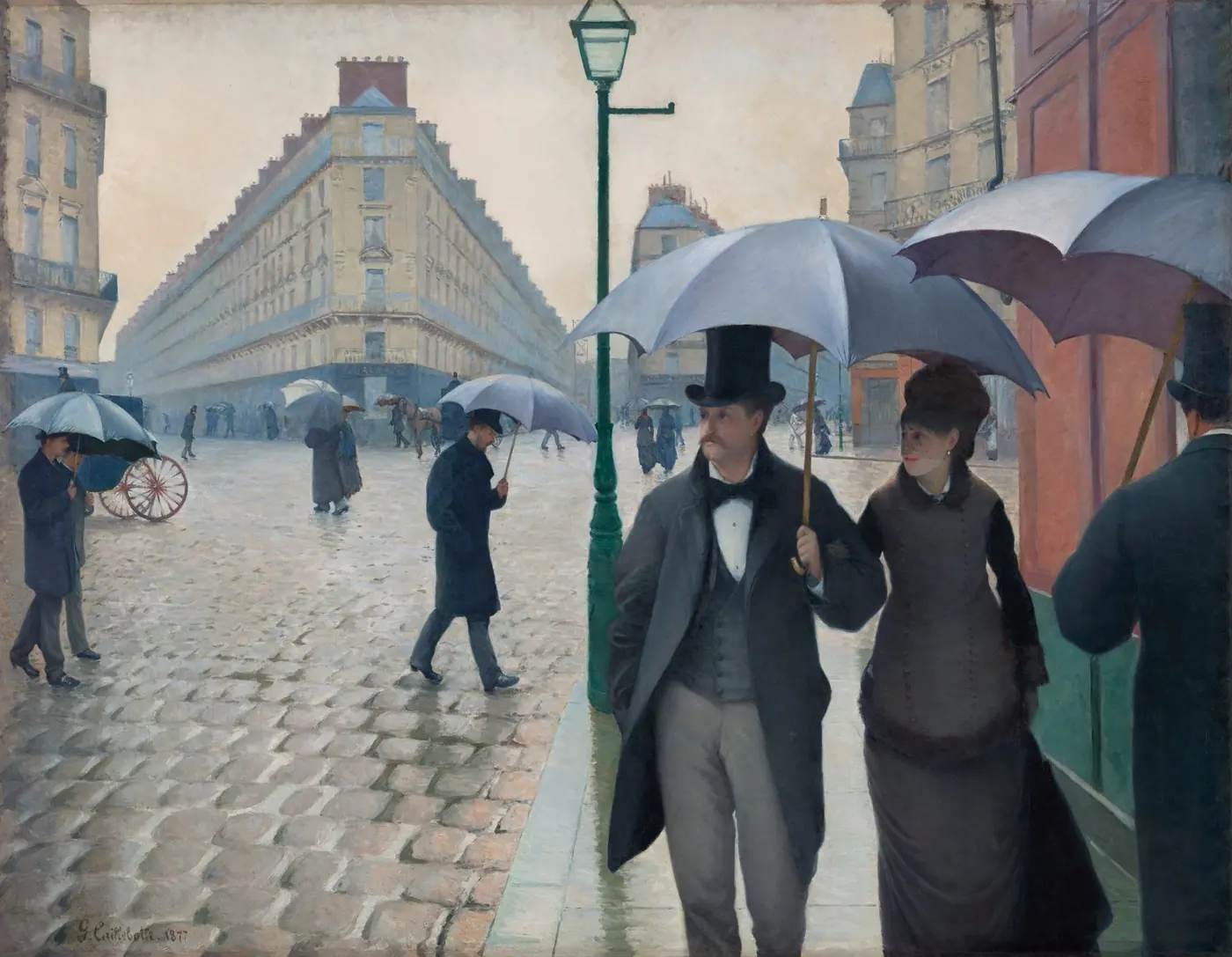
Gustave Caillebotte, Paris Street; Rainy Day, 1877 · Art Institute of Chicago, CC0 Classical languages
Read it. Latin and Ancient Greek: real authors early, from Caesar and Cicero to Plato and Homer.
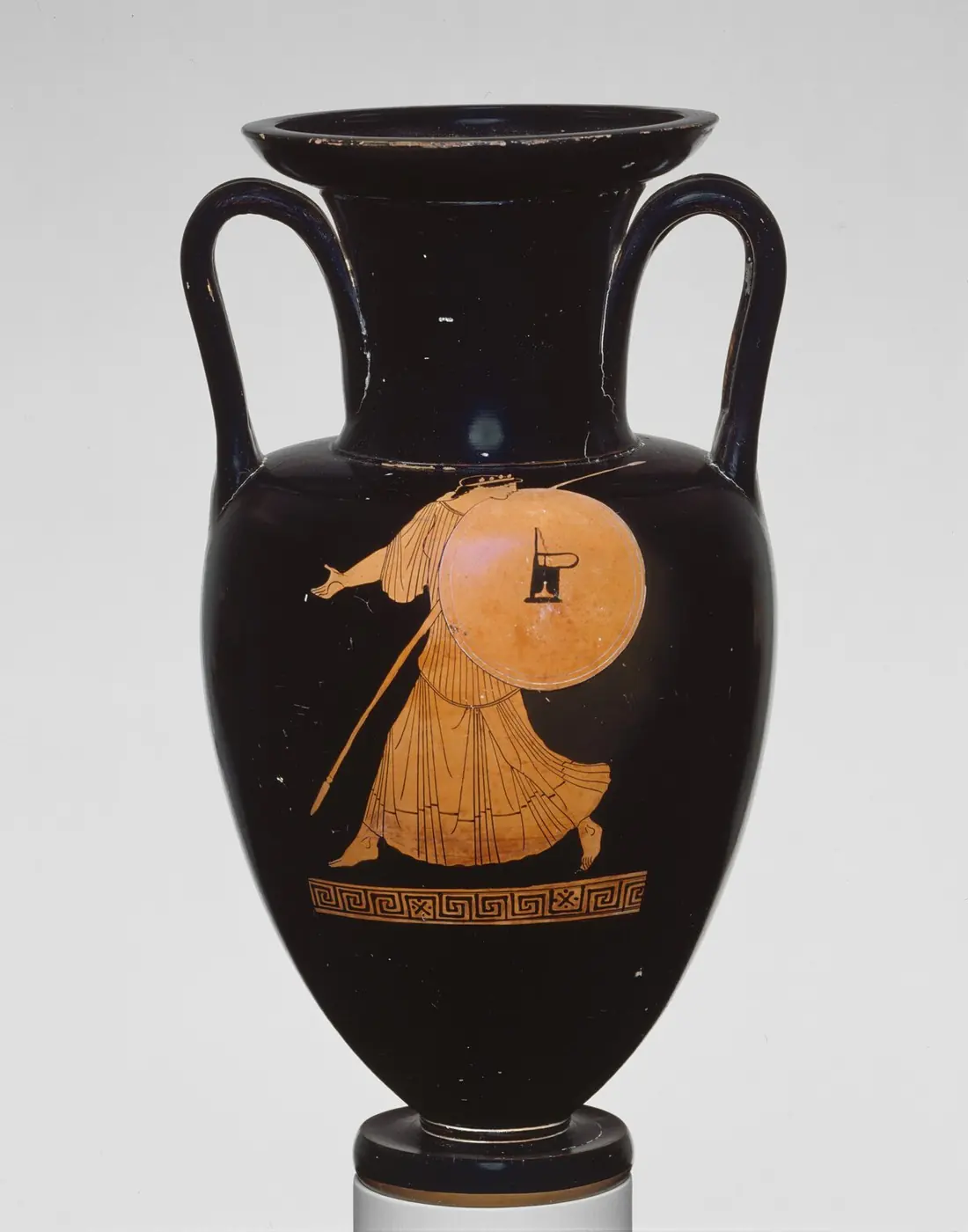
Achilles Painter, Amphora (Storage Jar), 460-450 BCE · Art Institute of Chicago, CC0 Choose a room. Each language has its own room. Hover to look inside, click to walk in.
The house
One studio, six rooms. Every format works for every language. Tell us your goal, and we put the right teacher and the right group around it.
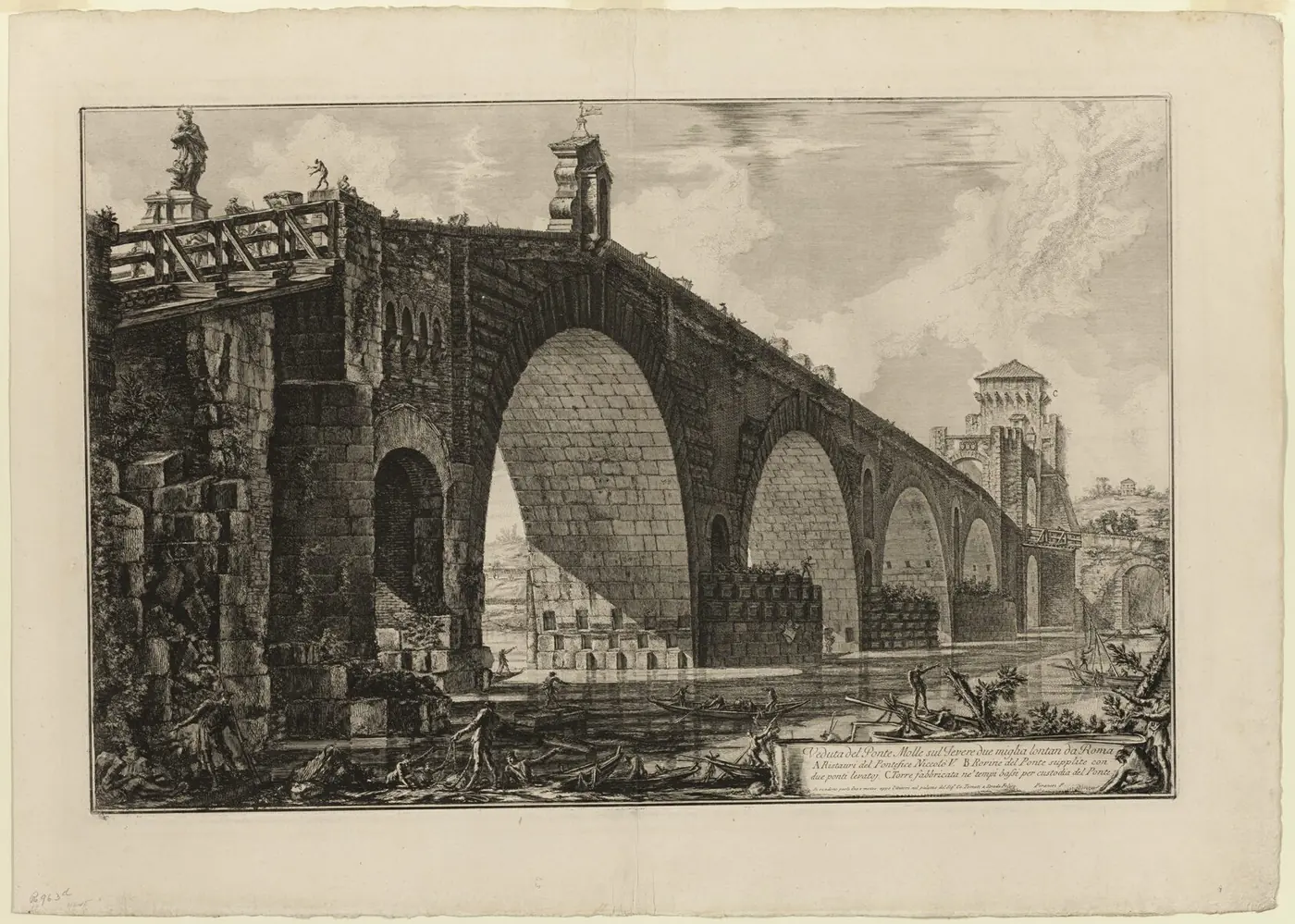
Giovanni Battista Piranesi, View of the Ponte Molle [or Milvian Bridge] over the Tiber two miles outside Rome, 1762 · Art Institute of Chicago, CC0 Italiano · The case for Italian
Parliamo italiano. Art, food, opera and the country with the most World Heritage Sites on earth. Italian lets you live it, not just visit it.
Francesco Guardi, The Grand Canal, c. 1760 · Art Institute of Chicago, CC0 Venezia
Every street is a gallery. Venice, Florence, Rome. With Italian, the guide, the menu and the neighbour start talking back.
Michele Giovanni Marieschi, The Church of Santa Maria della Salute, 1740–41 · Art Institute of Chicago, CC0 Genova
The sea, the light, the table. Long lunches above the harbour. You are invited once you speak the language.
Jean Baptiste Camille Corot, View of Genoa, 1834 · Art Institute of Chicago, CC0 Why Italian
Six reasons to learn Italian. 01 Walk through living history Rome, Florence, Venice, Pompeii. Talk to the guides, read the inscriptions and find the places tourists miss.
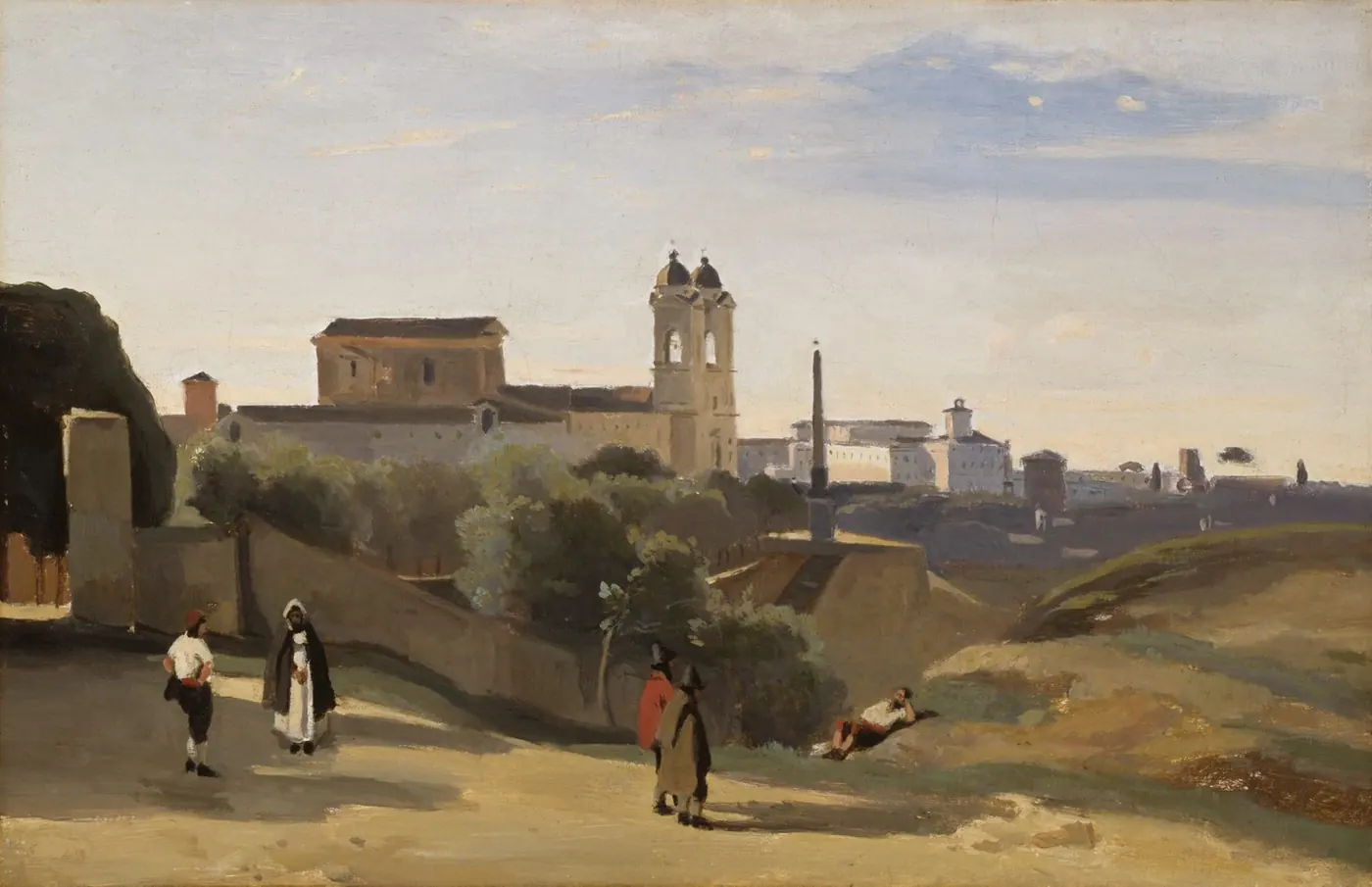
Jean Baptiste Camille Corot, Monte Pincio, 1840–50 · Art Institute of Chicago, CC0 02 Eat like you mean it In 2025 Italian cooking became the first national cuisine on UNESCO’s intangible heritage list. Order, ask and cook like a local.
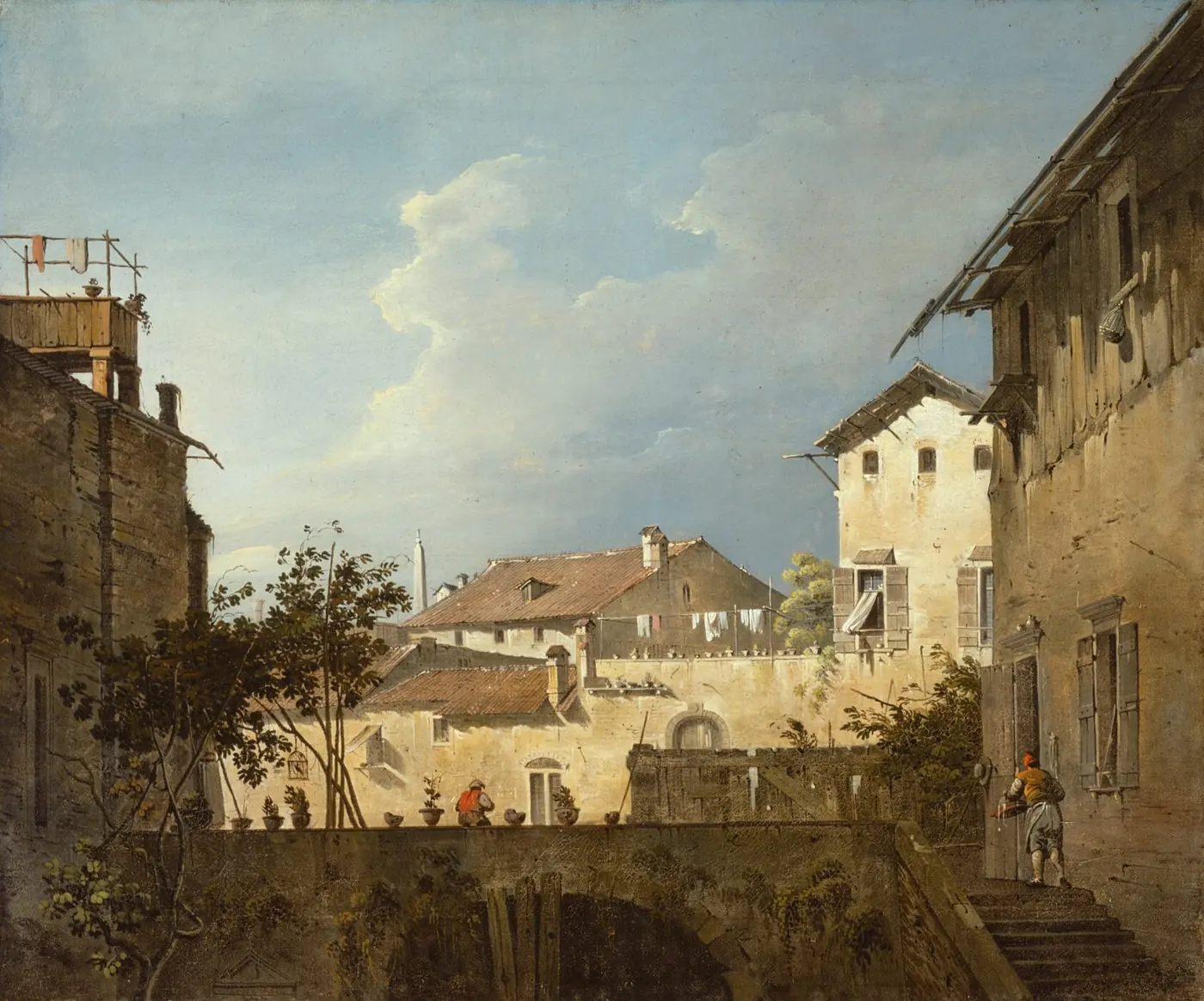
Follower of Canaletto, The Terrace, c. 1745 · Art Institute of Chicago, CC0 03 The language of opera Verdi, Puccini, Rossini. Even the words in a music score are Italian.
Giovanni Paolo Panini, Festival in Piazza Navona, 1729 · Art Institute of Chicago, CC0 04 Fashion, design, cars Milan, Turin and Florence stand for design and craft, and for the careers that come with them.
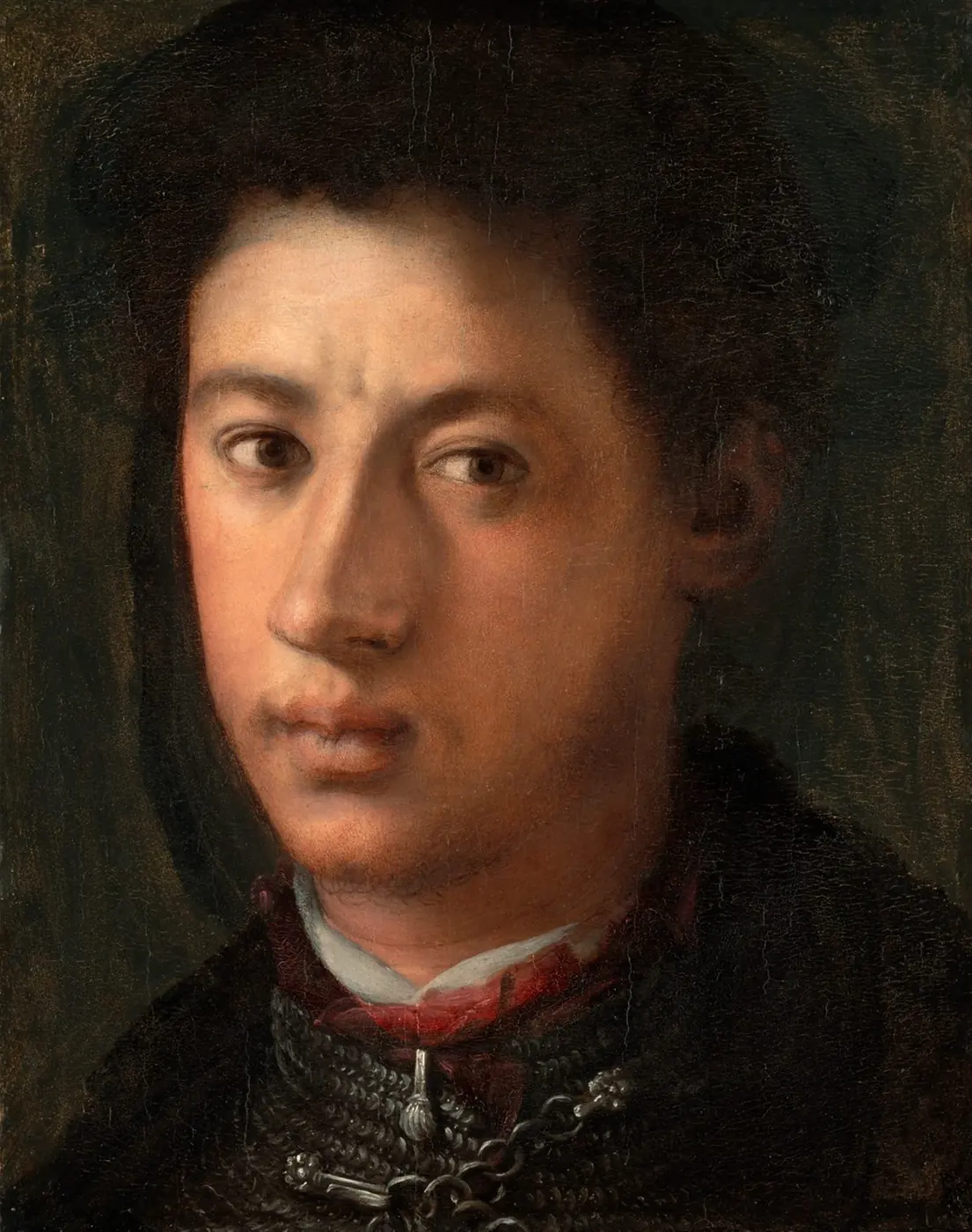
Pontormo, (Jacopo Carrucci), Alessandro de' Medici, 1534–35 · Art Institute of Chicago, CC0 05 Quick to sound good Italian is spoken mostly the way it is written. You will sound like yourself sooner than you think.
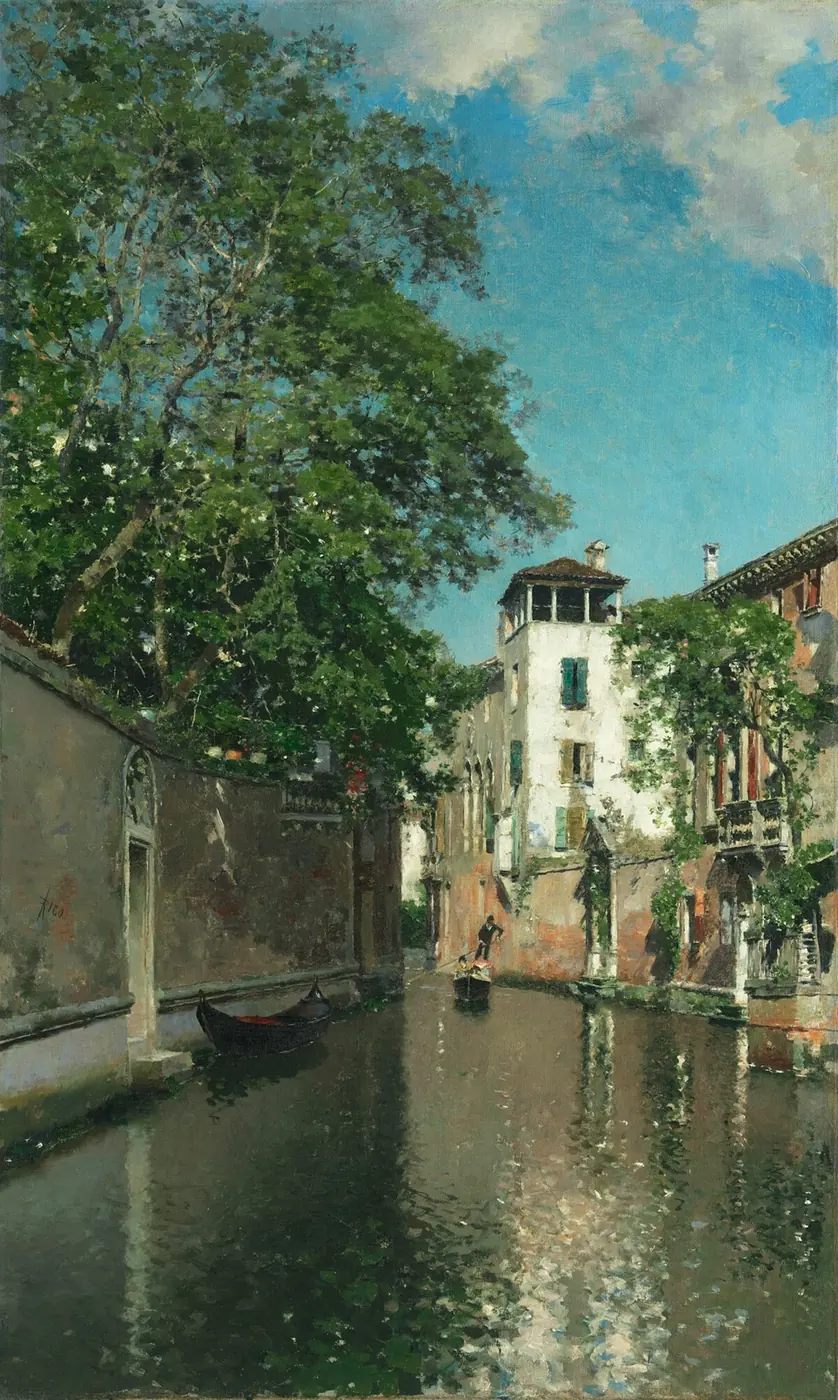
Martin Rico y Ortega, Canal in Venice, 1880s · Art Institute of Chicago, CC0 06 Three more languages, almost free Italian makes Spanish, French and Portuguese much easier. It is the shortcut through the Romance family.
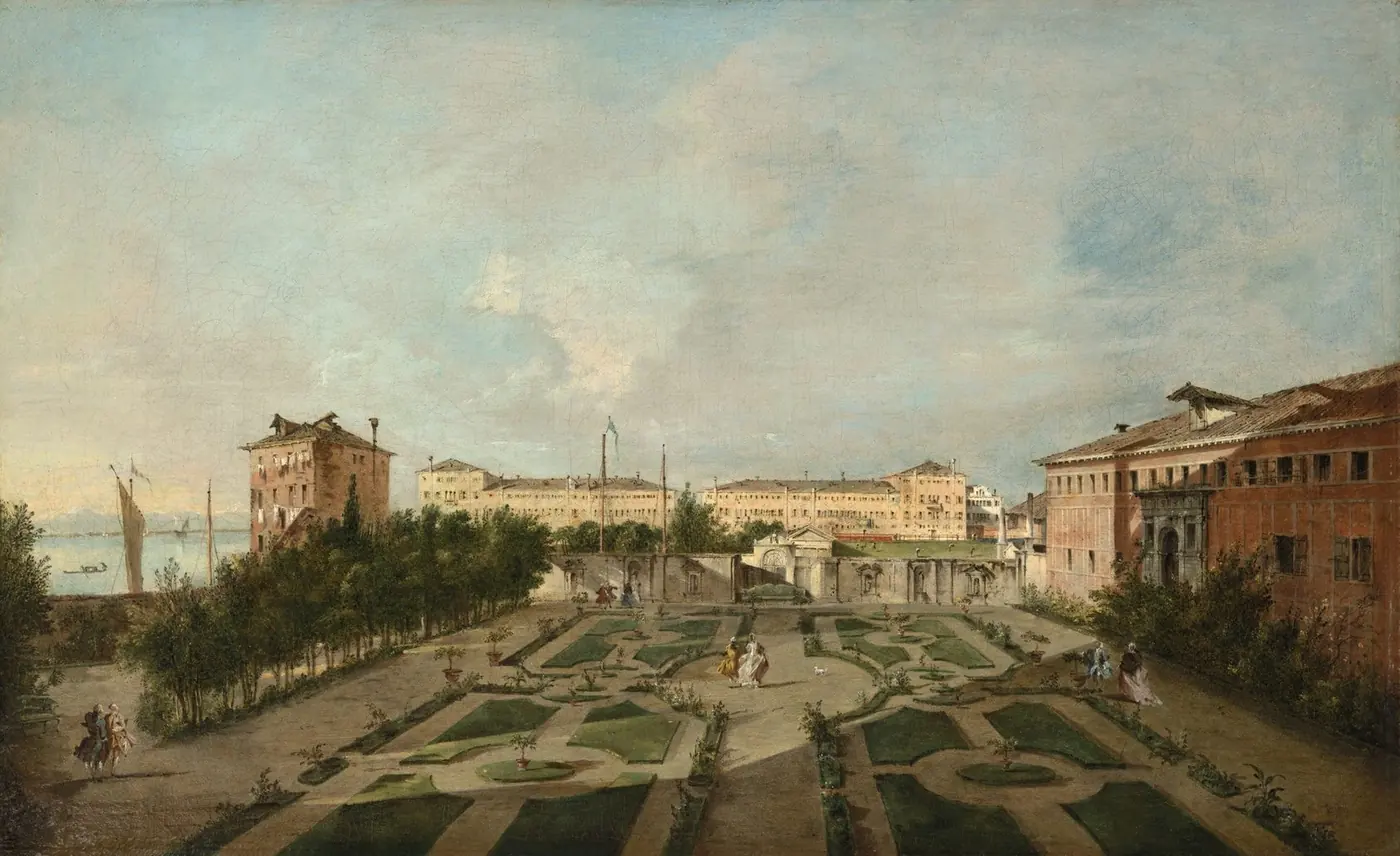
Francesco Guardi, The Garden of Palazzo Contarini dal Zaffo, Late 1770s · Art Institute of Chicago, CC0 85M people speak Italian, about 64 million as their mother tongue
#1 Italy has more UNESCO World Heritage Sites than any other country
2025 Italian cooking becomes the first national cuisine on UNESCO’s intangible heritage list
Sources: Wikipedia, “Italian language” (estimates 68–85 million); UNESCO World Heritage List; Italian Ministry of Foreign Affairs.
The place
Learn it where it was built. Canaletto etched Venice in the 1740s. The city still looks like this, and it still speaks Italian.
Canaletto, la Piera del Band V, 1735/44 · Art Institute of Chicago, CC0 Start your Italian
Ci vediamo a lezione.
See you in class.
Ask about Italian
Michele Giovanni Marieschi, The Church of Santa Maria della Salute, 1740–41 · Art Institute of Chicago, CC0 Next room Français →
Français · The case for French
On parle français ? Nearly 400 million speakers on five continents. A language for careers, for cinema and for the table.
Gustave Caillebotte, Paris Street; Rainy Day, 1877 · Art Institute of Chicago, CC0 Le déjeuner
Lunch lasts all afternoon. Food, friends and conversation: French is the language of the long table.
Pierre-Auguste Renoir, Lunch at the Restaurant Fournaise (The Rowers' Lunch), 1875 · Art Institute of Chicago, CC0 La côte
Every coast has a story. Normandy, Provence, Québec, the Pacific. French goes further than you think.
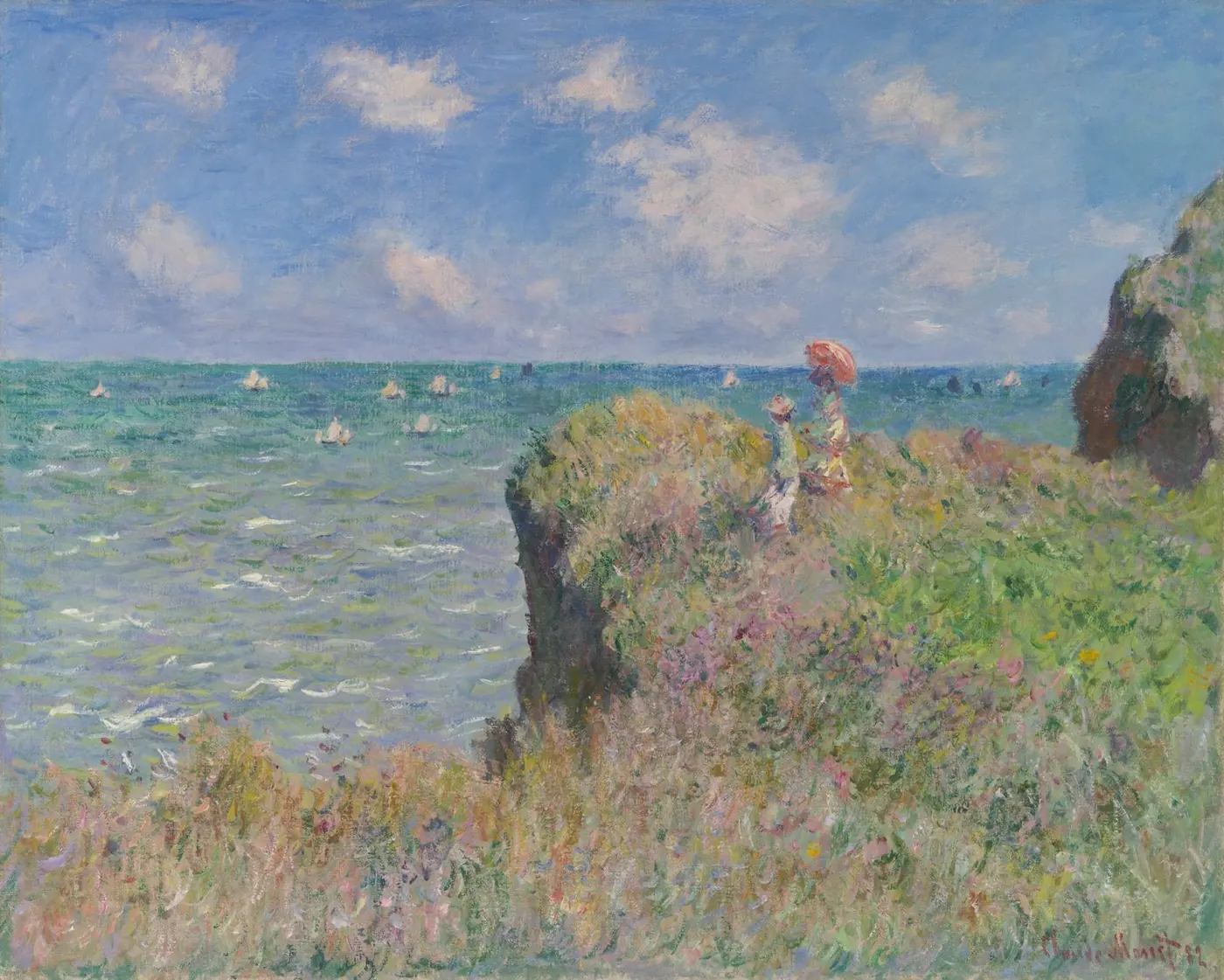
Claude Monet, Cliff Walk at Pourville, 1882 · Art Institute of Chicago, CC0 Why French
Six reasons to learn French. 01 A language on five continents From Paris to Kinshasa to Montréal, French connects nearly 400 million people. Two in three live in Africa.
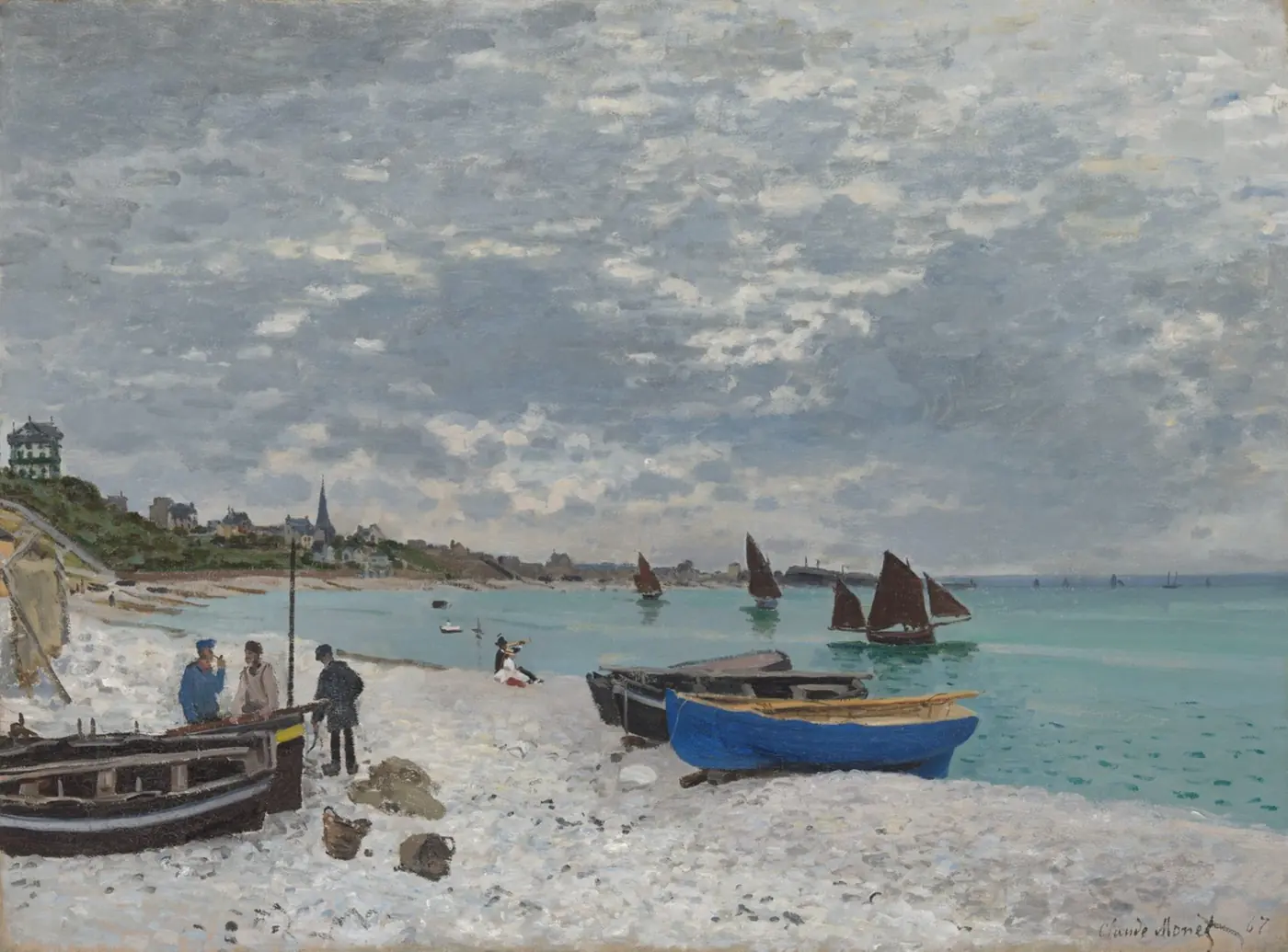
Claude Monet, The Beach at Sainte-Adresse, 1867 · Art Institute of Chicago, CC0 02 A career language A working language of the UN and the EU, and an official language of the Olympic Movement.
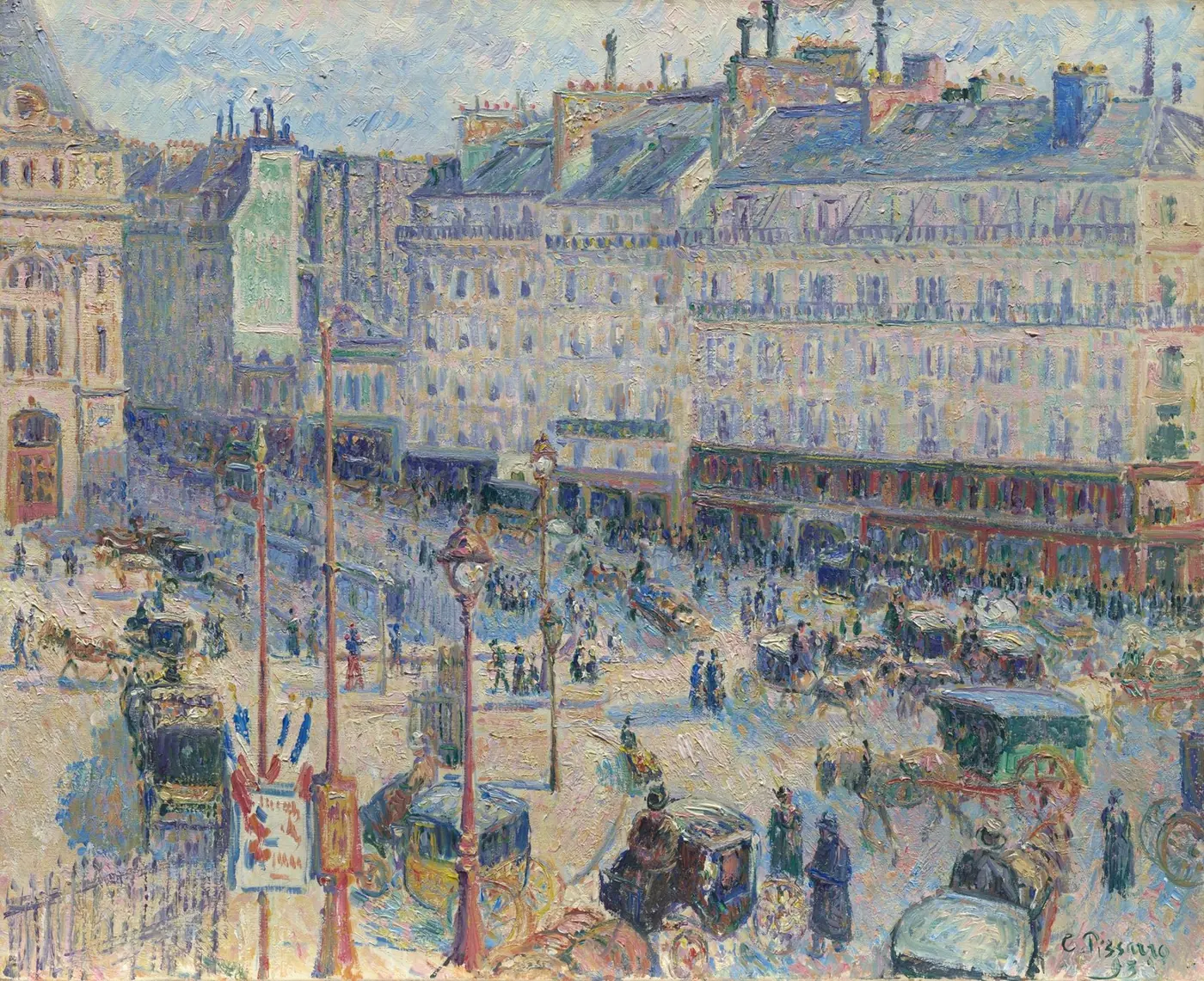
Camille Pissarro, The Place du Havre, 1893 · Art Institute of Chicago, CC0 03 Right next door France, Belgium, Switzerland and Luxembourg are close by: for holidays, exchanges, study and work.
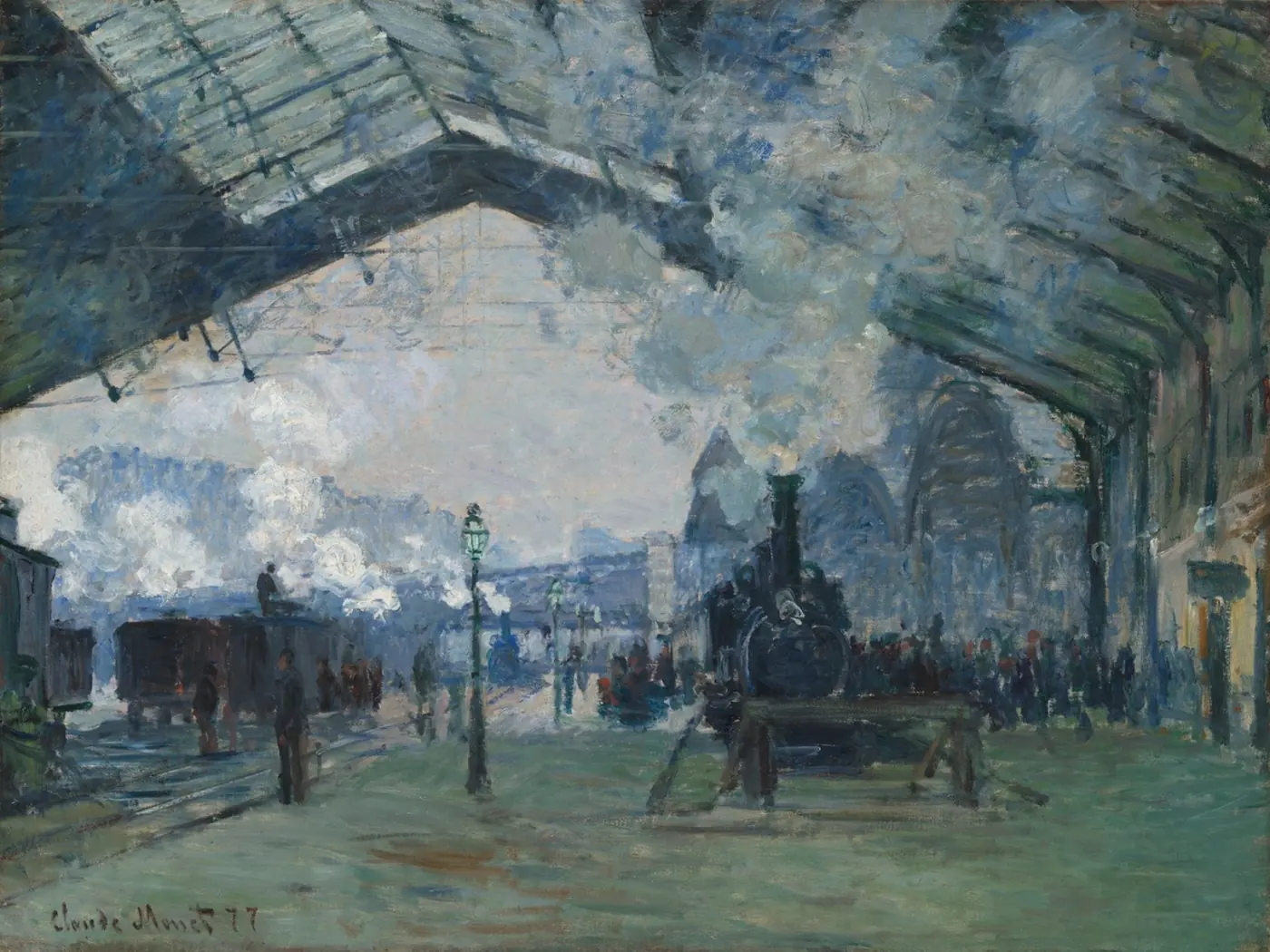
Claude Monet, Arrival of the Normandy Train, 1877 · Art Institute of Chicago, CC0 04 A library in the original France has won more Nobel Prizes in Literature than any other country. Read Molière, Camus and Annie Ernaux as they wrote.
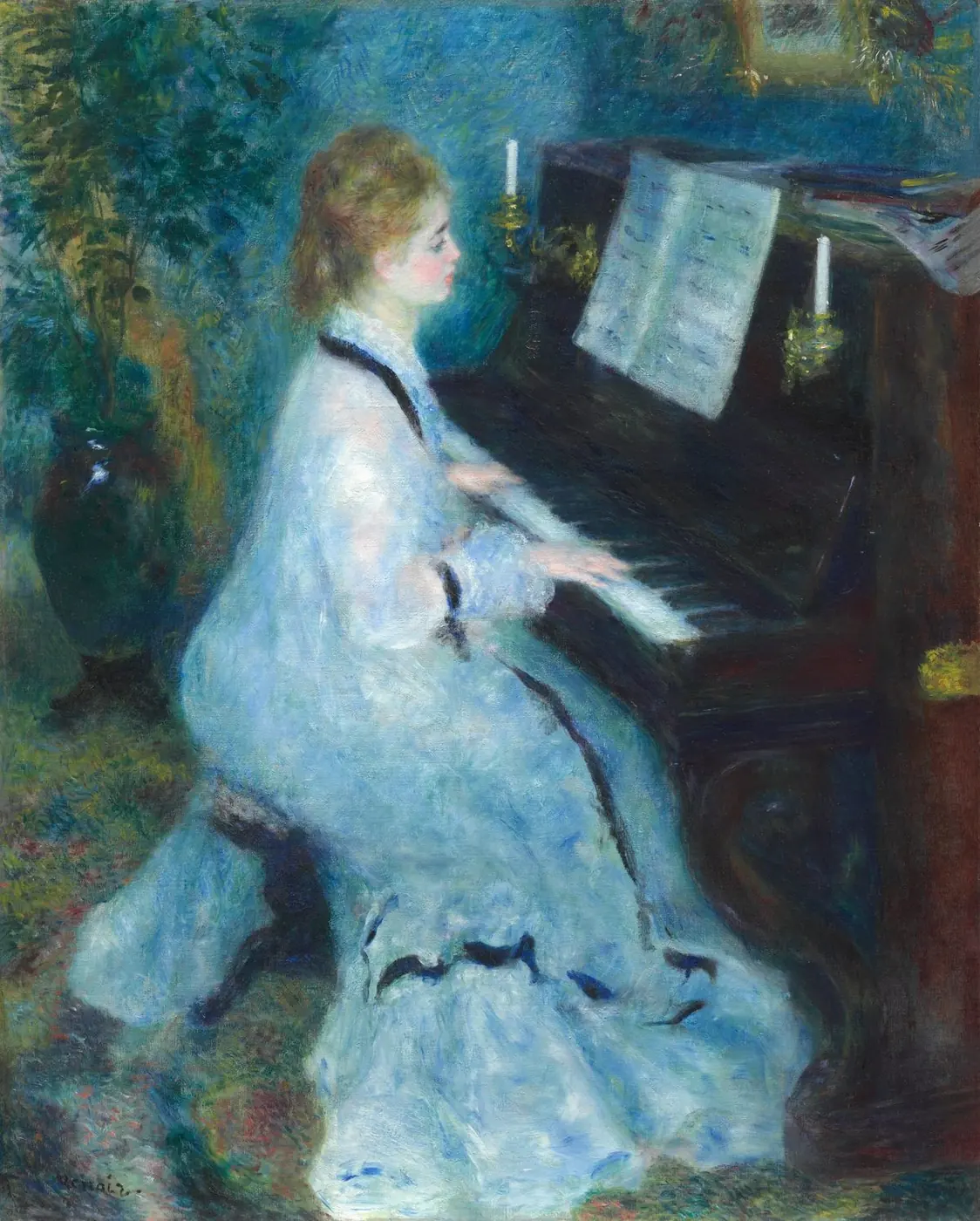
Pierre-Auguste Renoir, Woman at the Piano, 1875–76 · Art Institute of Chicago, CC0 05 Cinema, chanson, cuisine Film, music, food and wine are half the reason to learn it, and twice the fun without subtitles.
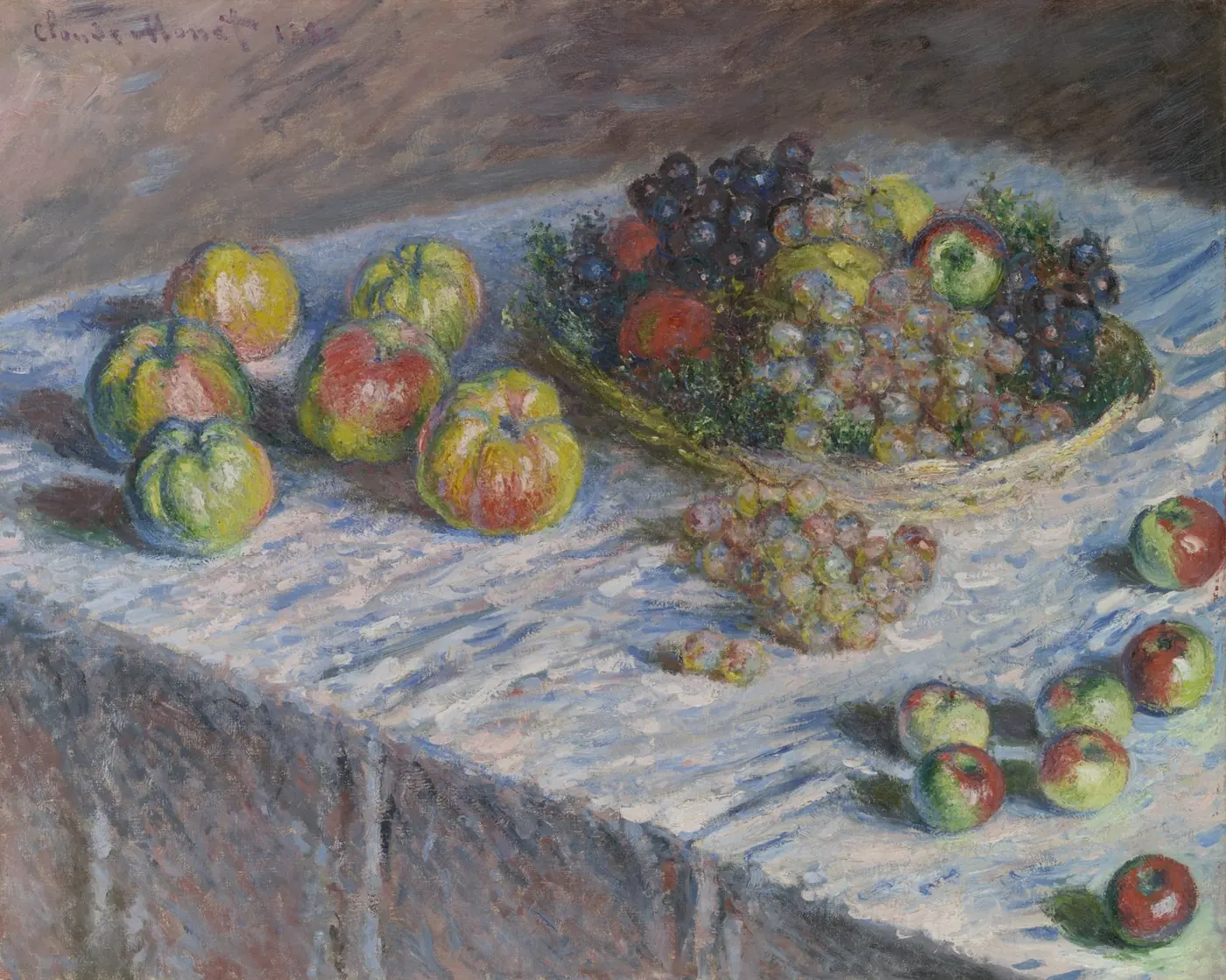
Claude Monet, Apples and Grapes, 1880 · Art Institute of Chicago, CC0 06 Better English for free Around 30% of English words came in through French. Learn French and English vocabulary suddenly makes sense.
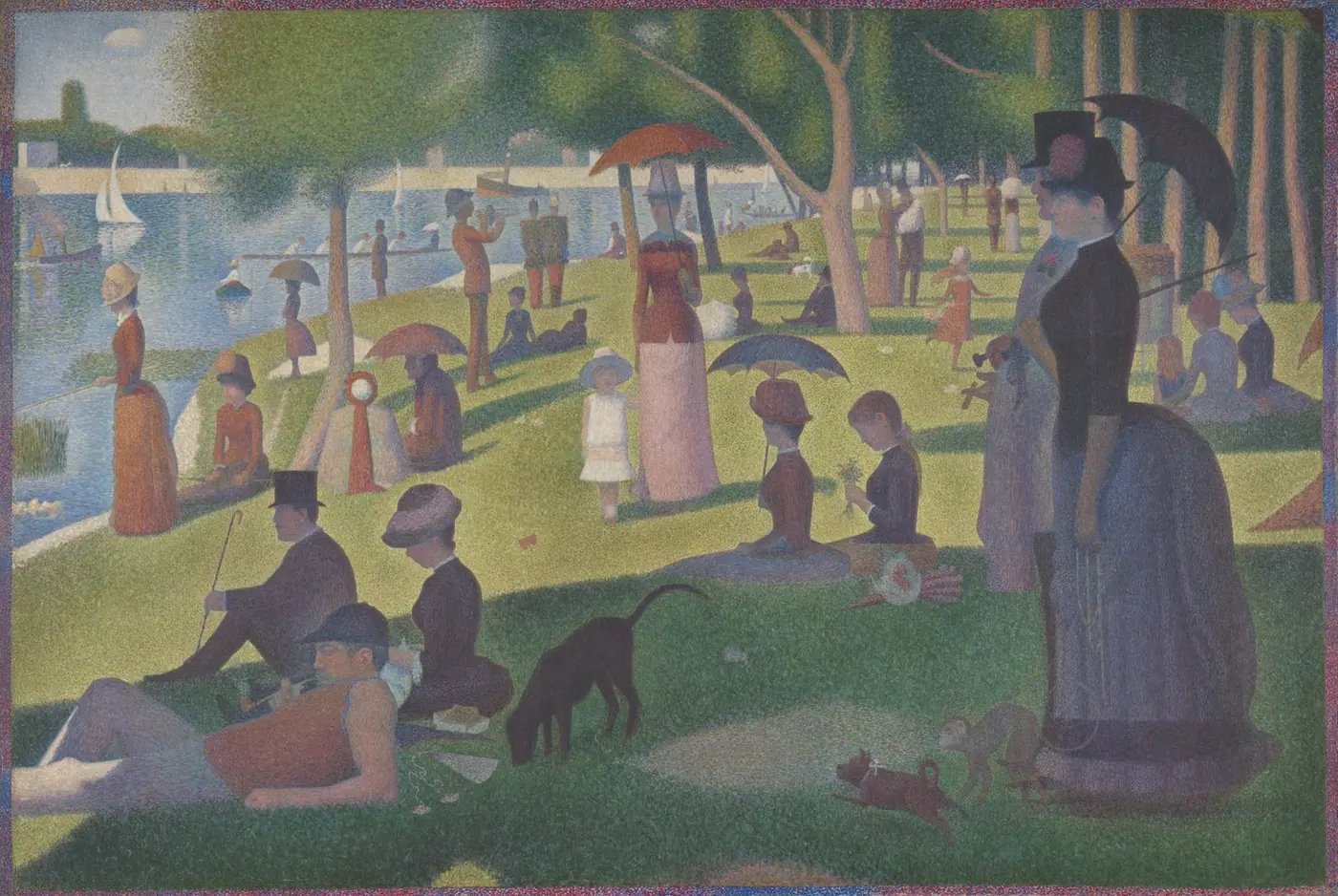
Georges Seurat, A Sunday on La Grande Jatte — 1884, 1884–86, border added 1888–89 · Art Institute of Chicago, CC0 396M people speak French, two thirds of them in Africa
#2 most studied foreign language in the world, after English
590M French speakers expected by 2050
Source: Organisation internationale de la Francophonie, La langue française dans le monde, 6th edition (2026).
The place
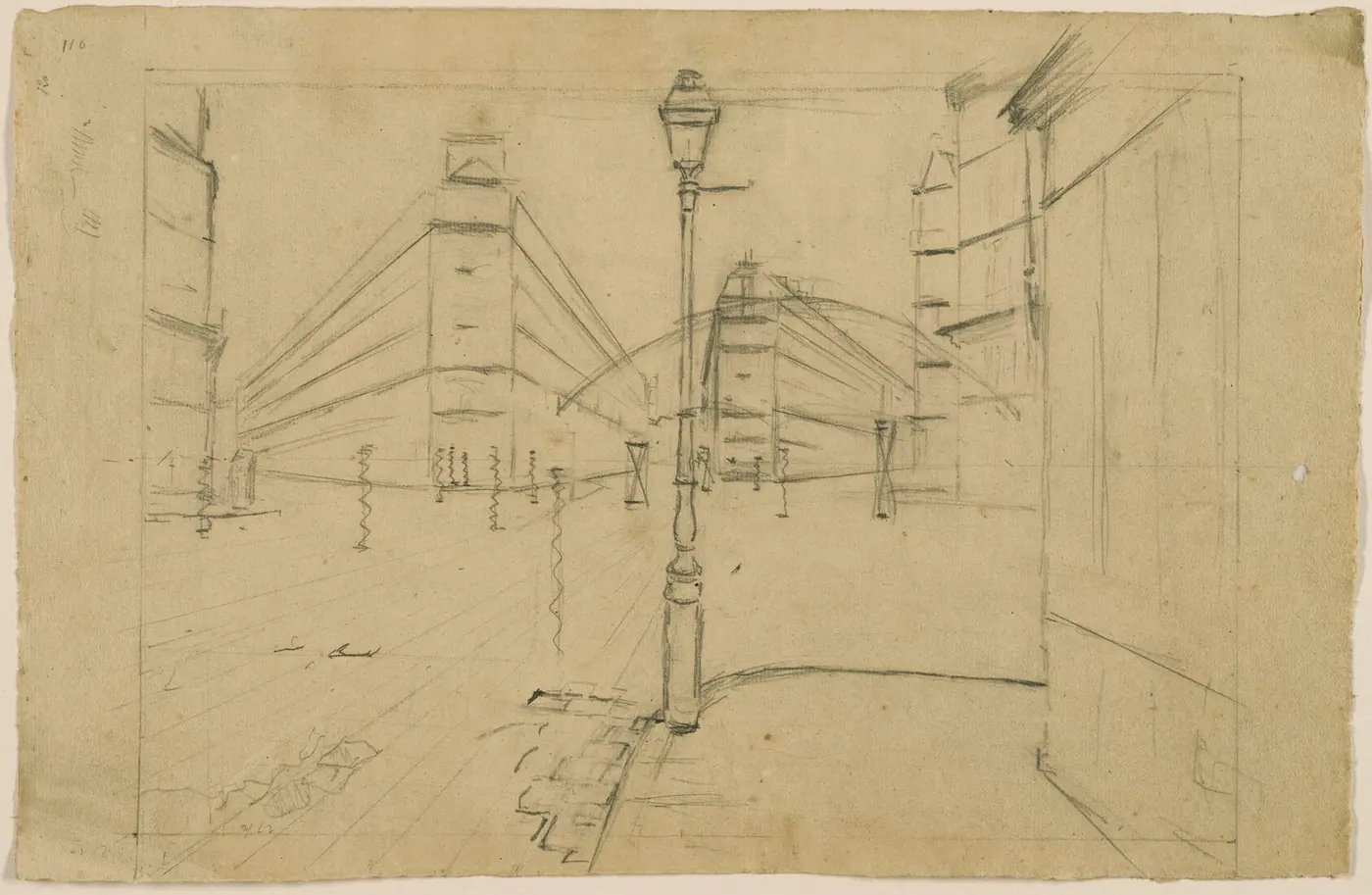
Read the streets. Caillebotte drew this Paris crossing before he painted it. With French, every street sign, poster and café menu becomes readable.
Gustave Caillebotte, Study for Paris Street; Rainy Day, 1877 · Art Institute of Chicago, CC0 Start your French
On se voit en cours.
See you in class.
Ask about French
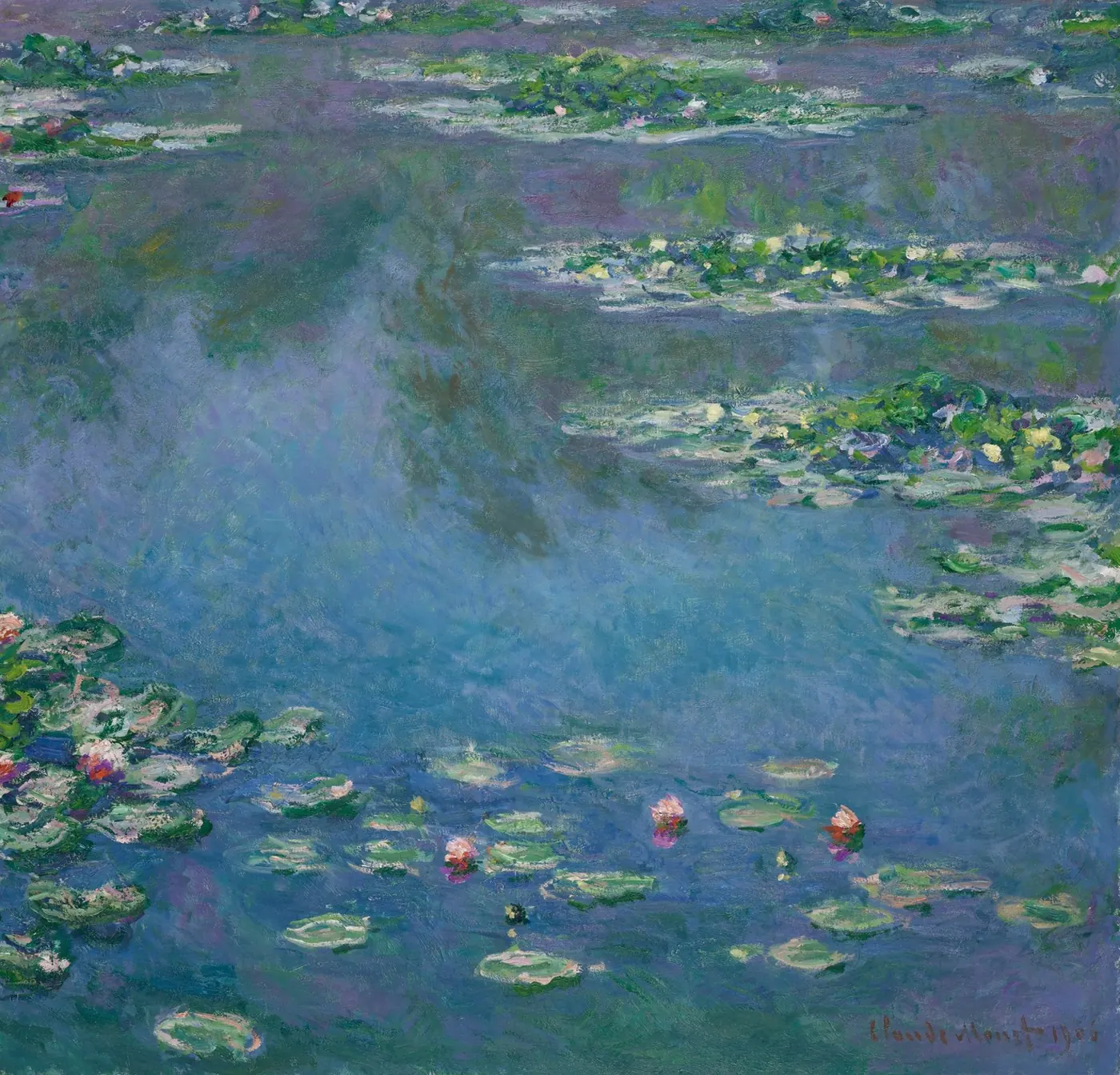
Claude Monet, Water Lilies, 1906 · Art Institute of Chicago, CC0 Next room Deutsch →
Deutsch · The case for German
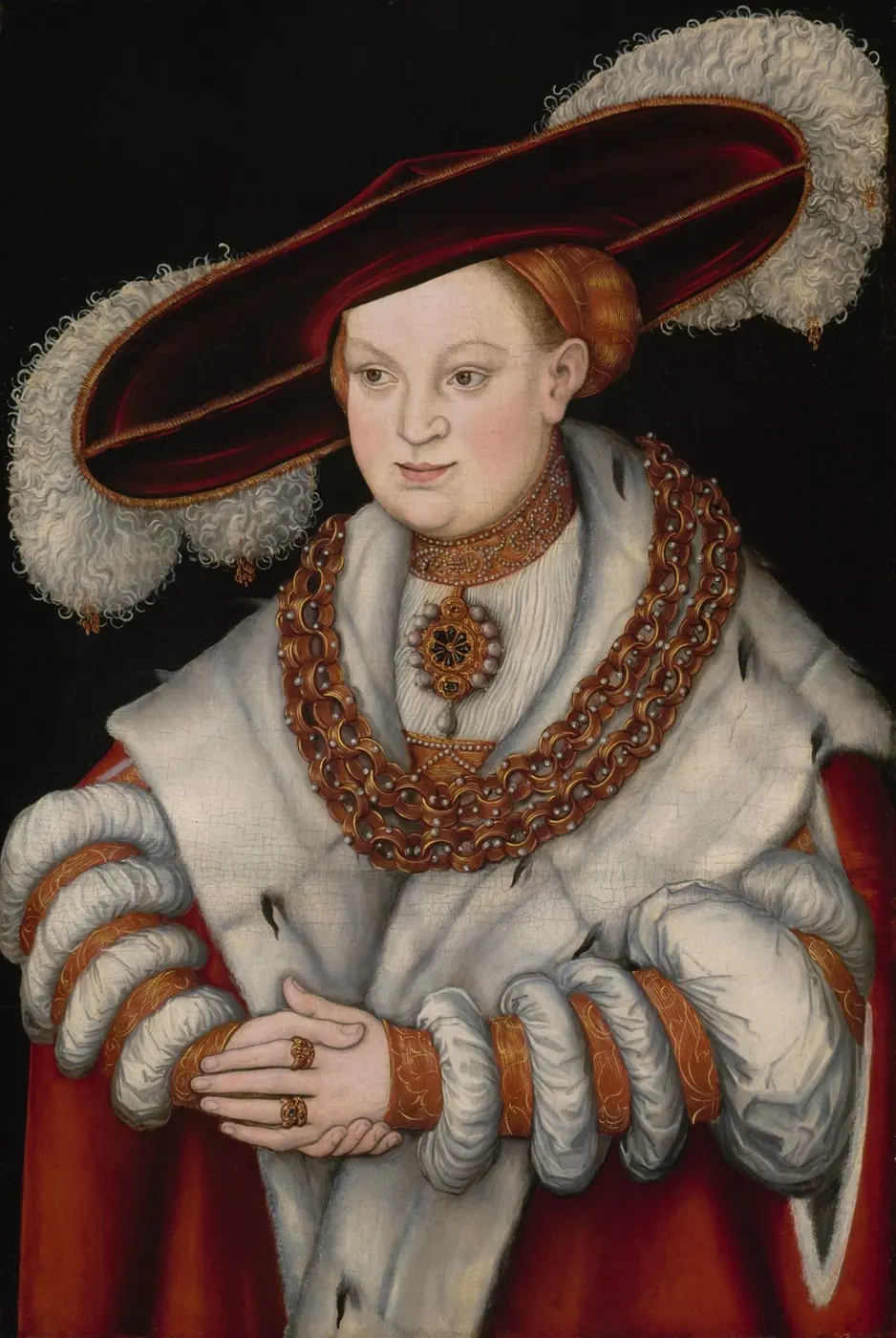
Los geht’s! The most spoken mother tongue in the EU. Your key to studying, working and living in the centre of Europe.
Lucas Cranach the Elder, Portrait of Magdalena of Saxony, c. 1529 · Art Institute of Chicago, CC0 Sachsen
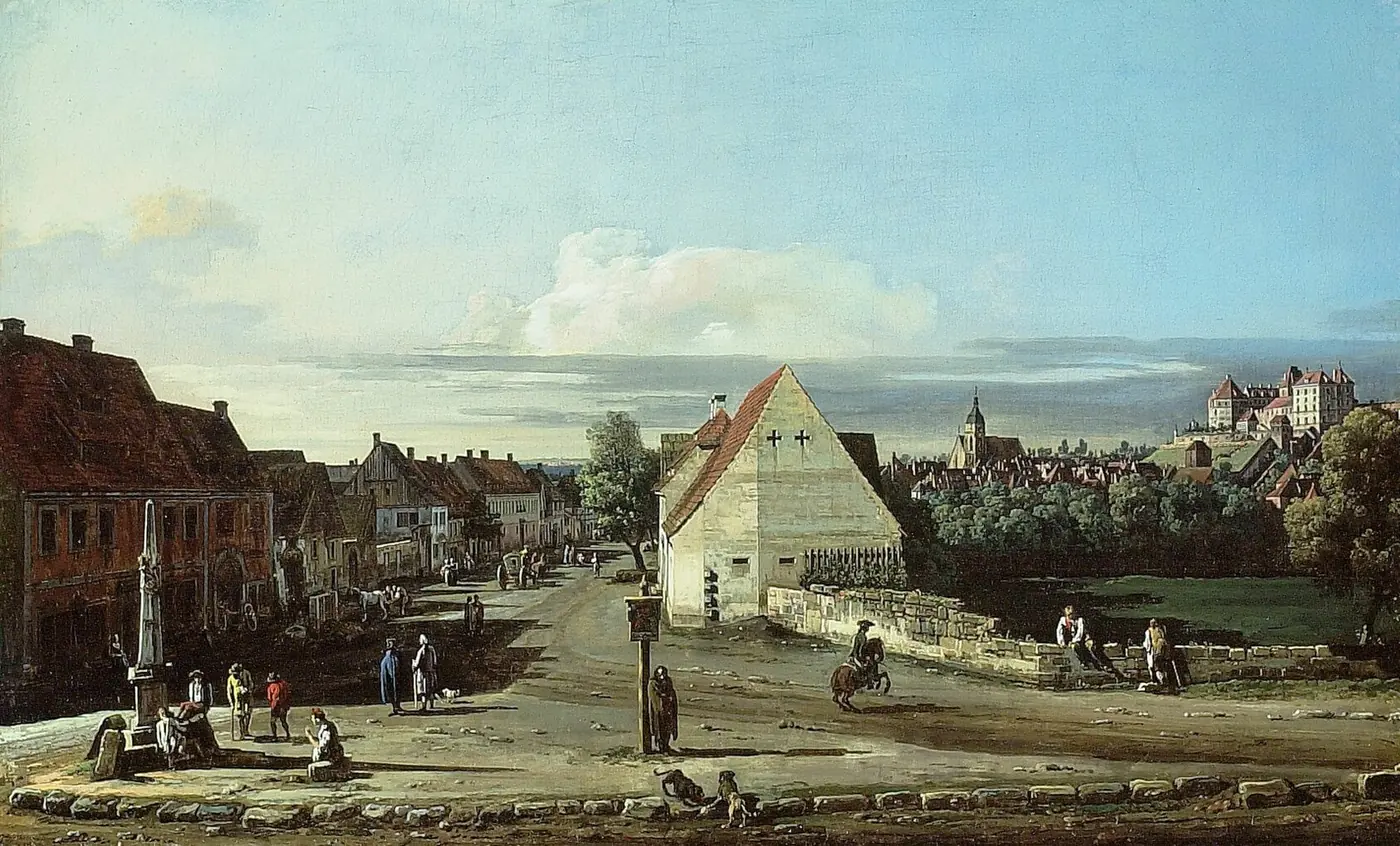
Old towns, new careers. Bellotto painted Pirna on the Elbe in the 1750s. Today the region builds microchips, and works in German.
Bernardo Bellotto, View of Pirna with the Fortress of Sonnenstein, c. 1760 · Art Institute of Chicago, CC0 Fünfhundert Jahre
A face from 1525. A language still at work. From Luther’s Bible to Kant, Einstein and the Bauhaus, German has carried ideas for five centuries.
German, Portrait of Leonhard Fuchs, 1525 · Art Institute of Chicago, CC0 Why German
Six reasons to learn German. 01 Study without tuition Public universities in 15 of 16 German states charge no tuition, and most degree courses are taught in German.
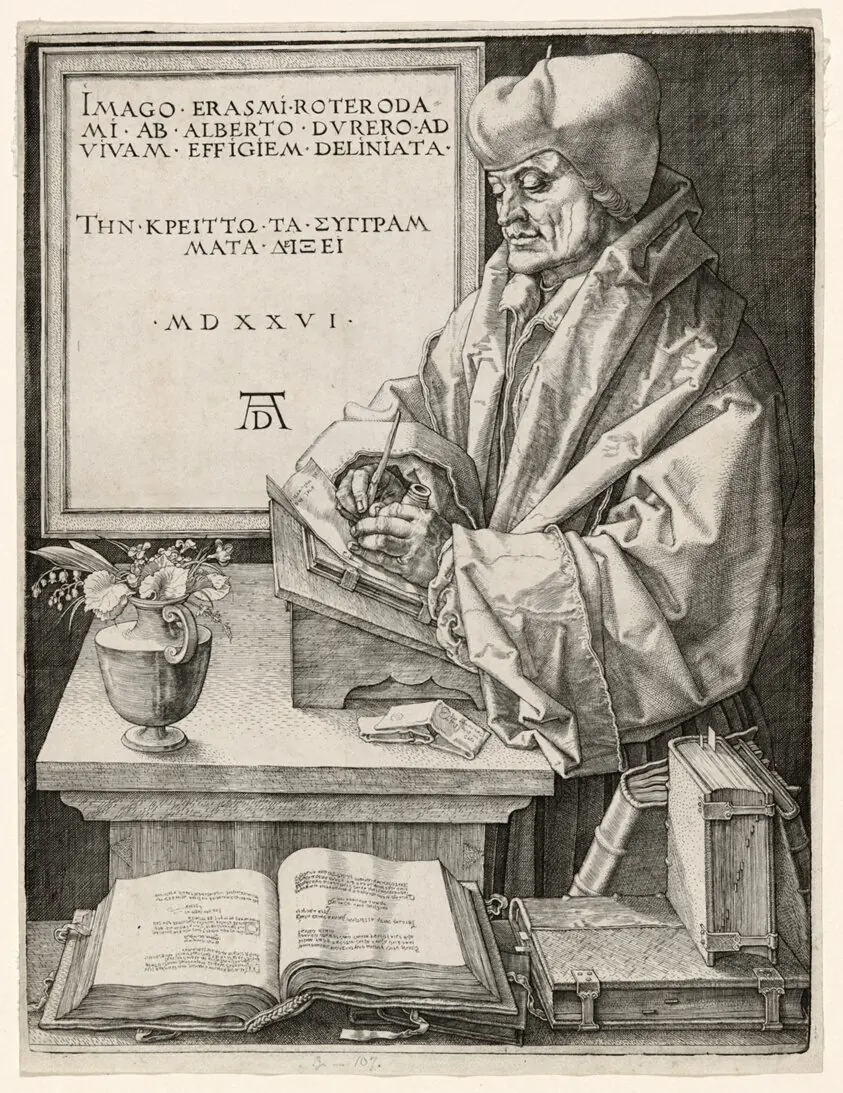
Albrecht Dürer, Erasmus of Rotterdam, 1526 · Art Institute of Chicago, CC0 02 Work in Europe’s largest economy Germany has the biggest economy in the EU. German opens jobs there and in Austria and Switzerland.
German, Portrait of a Young Artist, c. 1500 · Art Institute of Chicago, CC0 03 Science and engineering Einstein, Planck and Humboldt wrote in German. Labs, engineering firms and car makers still work in it.
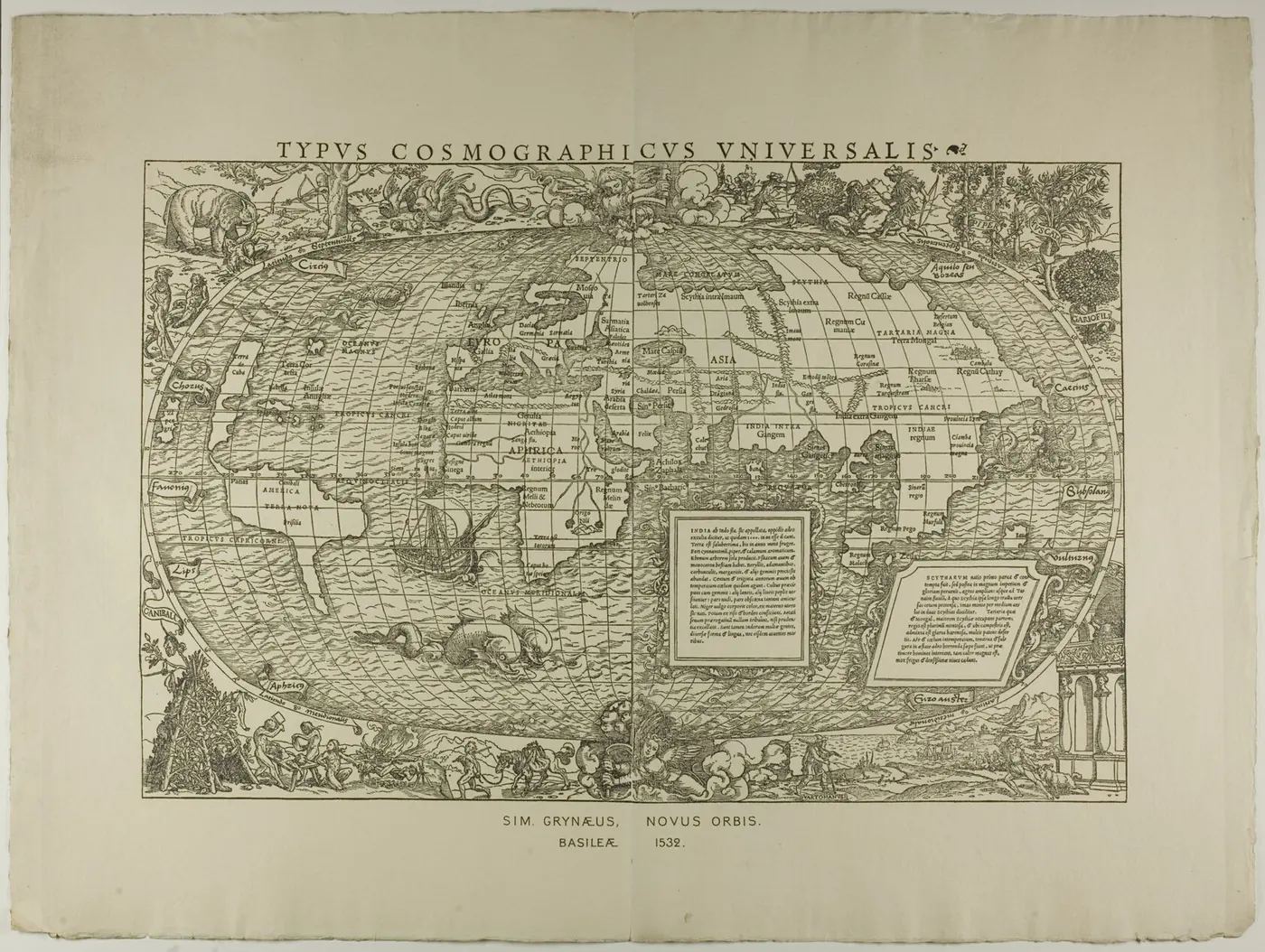
Hans Holbein, the younger, Typus Cosmographicus Universalis, 1532, reprinted 1889 · Art Institute of Chicago, CC0 04 Music and big ideas Bach, Beethoven, Brahms. Kant, Hegel, Arendt. Kafka and Thomas Mann, as they were written.
Lucas Cranach, II, Philip Melanchthon, 1562 · Art Institute of Chicago, CC0 05 Six countries, one language Official in Germany, Austria, Switzerland, Liechtenstein, Luxembourg and Belgium. That is a lot of Alps.
Adrian Zingg, View of Dresden, c. 1805 · Art Institute of Chicago, CC0 06 Closer to English than you think English is a Germanic language. Haus, Wasser, Buch and Freund look familiar for a reason.
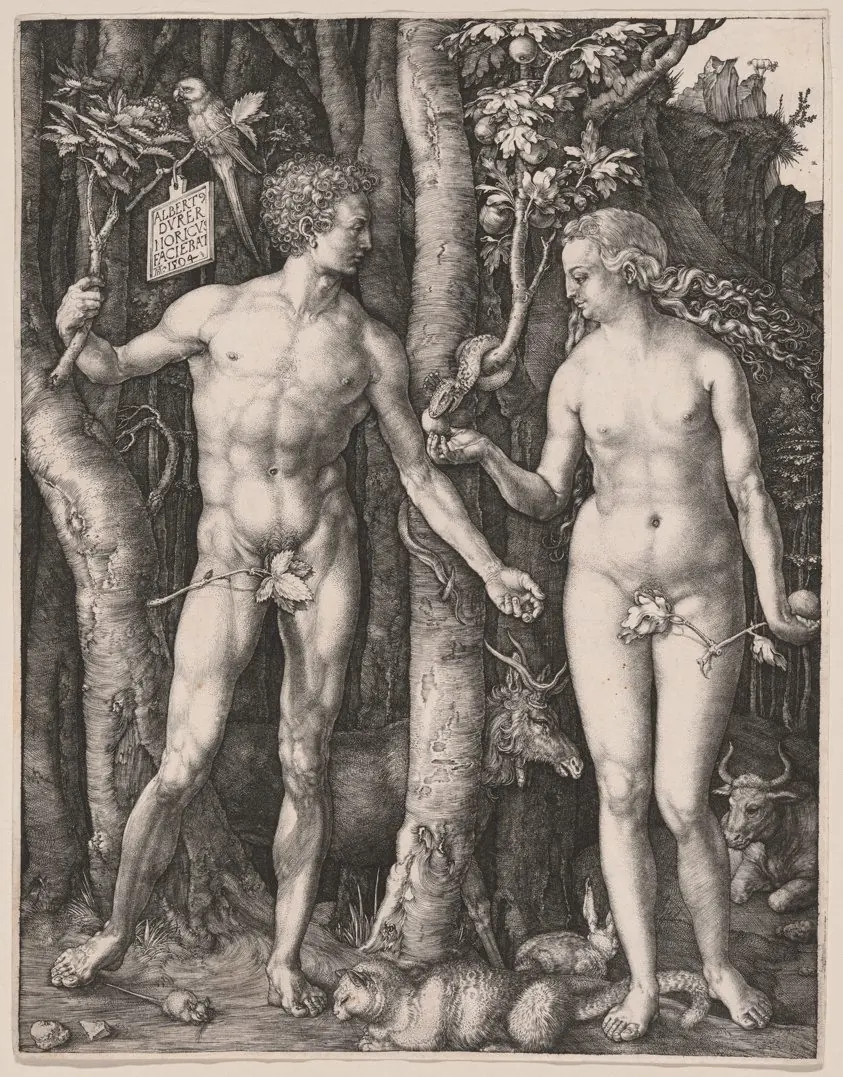
Albrecht Dürer, Adam and Eve, 1504 · Art Institute of Chicago, CC0 130M people speak German as their mother tongue or second language
#1 most widely spoken mother tongue in the European Union
€0 tuition at public universities in 15 of 16 German states
Sources: deutschland.de (2026); university fee rules for the 2026/27 intake. Baden-Württemberg charges non-EU students €1,500 per semester.
The place
Walk through the gate. Bellotto etched Dresden’s city gate in 1750. German opens the gates to study, work and life in the centre of Europe.
Bernardo Bellotto, Exterior View of the Italian Gate of the Ramparts of the Town of Dresden, 1750 · Art Institute of Chicago, CC0 Start your German
Wir sehen uns im Unterricht.
See you in class.
Ask about German
Goethe-Zertifikat TestDaF telc Bernardo Bellotto, View of Pirna with the Fortress of Sonnenstein, c. 1760 · Art Institute of Chicago, CC0 Next room Latina →
Lingua Latina · The case for Latin
Salvete, discipuli. Hidden in half of English, alive in five modern languages. Learn it once and you see it everywhere.
Ancient Roman, Portrait Head of Emperor Hadrian, 130-138 · Art Institute of Chicago, CC0 Templa
Ruins that still speak. Roman stones carry Latin across Europe. Learn it, and the inscriptions start to read themselves.
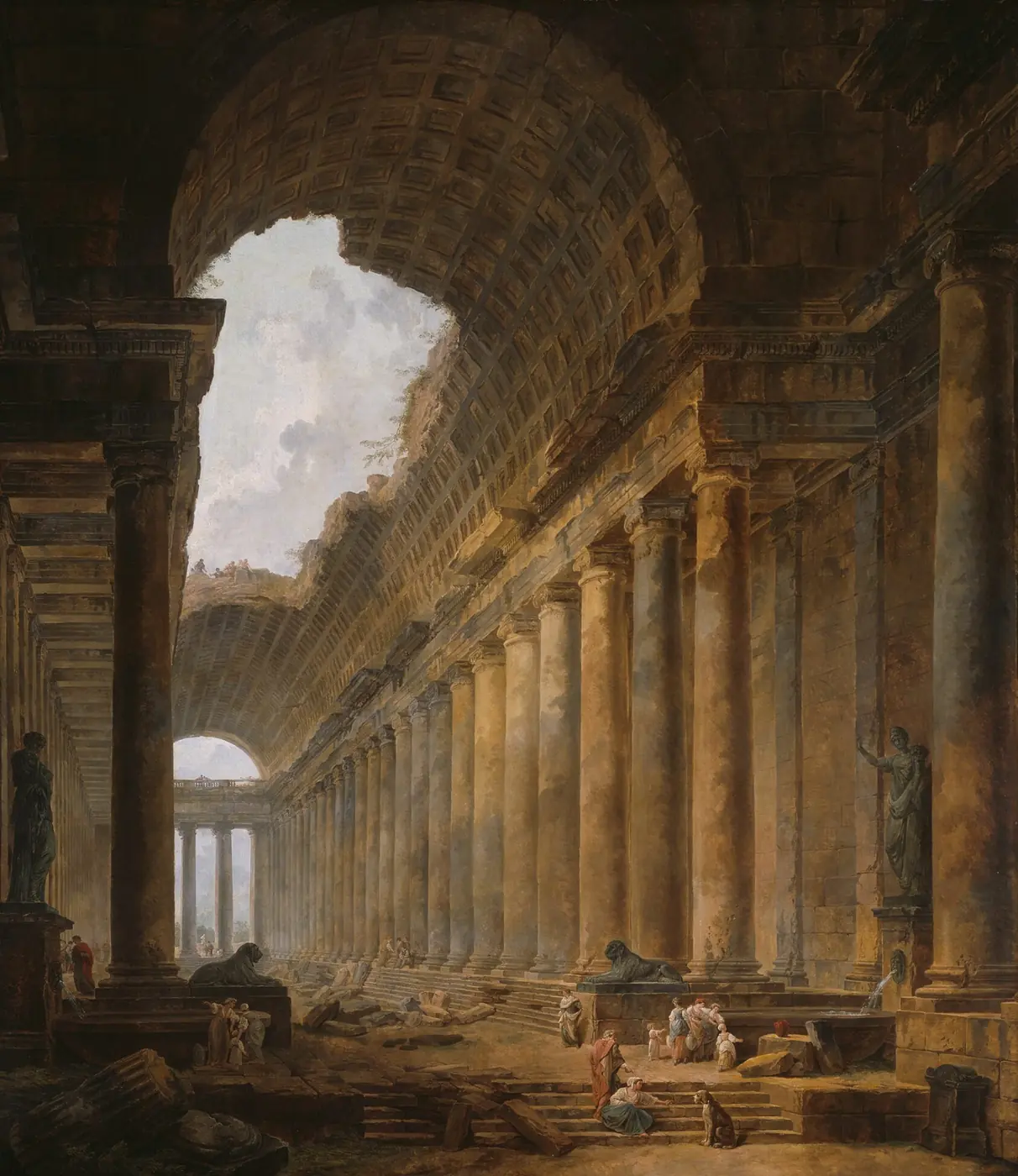
Hubert Robert, The Old Temple, 1787/88 · Art Institute of Chicago, CC0 Roma
Two thousand years later. Latin lives on in English, science, law and five modern languages.
Charles Louis Clérisseau, Roman Ruins with Two Peasants Conversing in the Foreground, n.d. · Art Institute of Chicago, CC0 Why Latin
Six reasons to learn Latin. 01 Understand English better More than half of English words come from Latin, directly or through French. Long words turn into simple parts.
Giovanni Battista Piranesi, 1. Arch of Titus. 2. Villa Farnese. 3. Columns of the Temple of Jupiter Stator [the Supporter]. 4. Arch of Septimius Severus. 5. Temple of Peace, 1748 · Art Institute of Chicago, CC0 02 A key to five languages Italian, French, Spanish, Portuguese and Romanian all grew out of Latin. Latin learners pick them up faster.
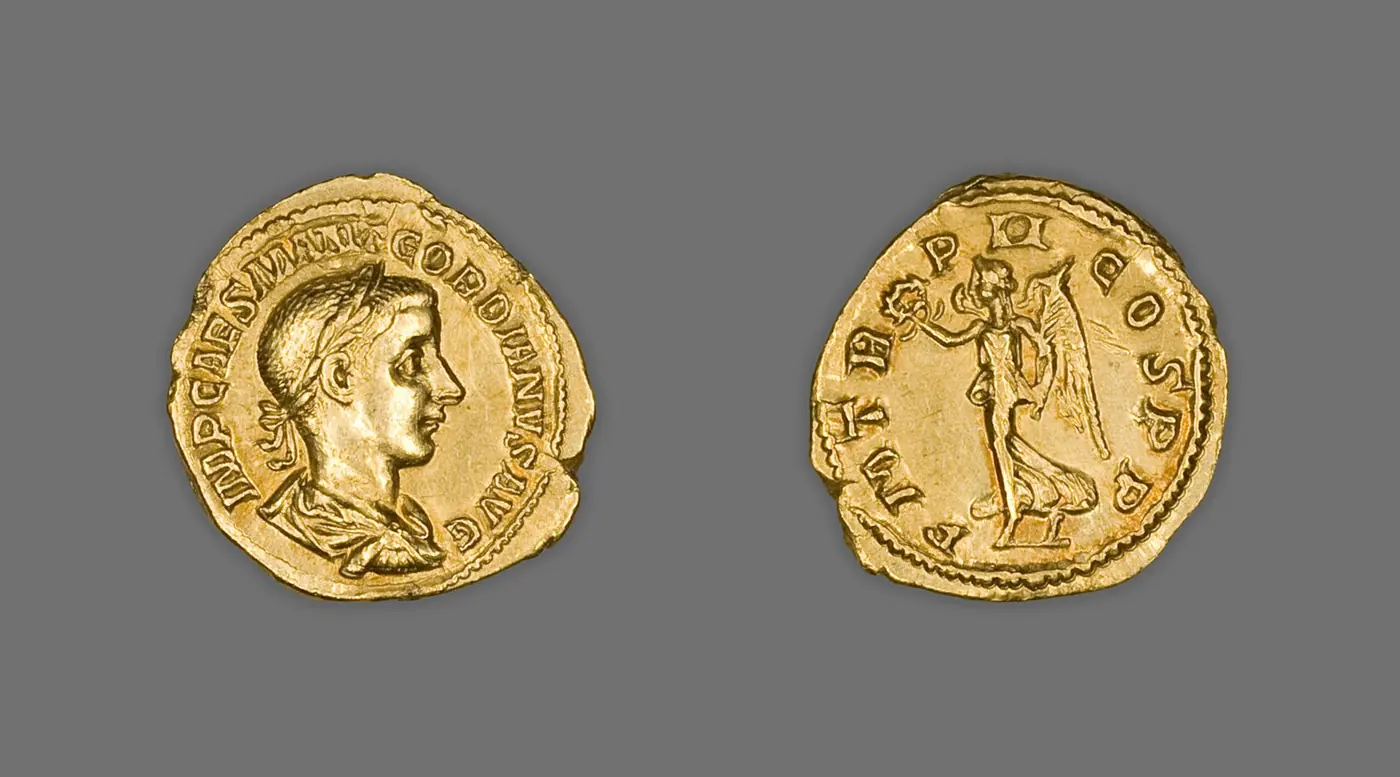
Ancient Roman, Aureus (Coin) Portraying Emperor Gordian III, 239 (late July-December), issued by Gordian III · Art Institute of Chicago, CC0 03 The language of science Every plant and animal has a Latin name, from Homo sapiens to Canis lupus.
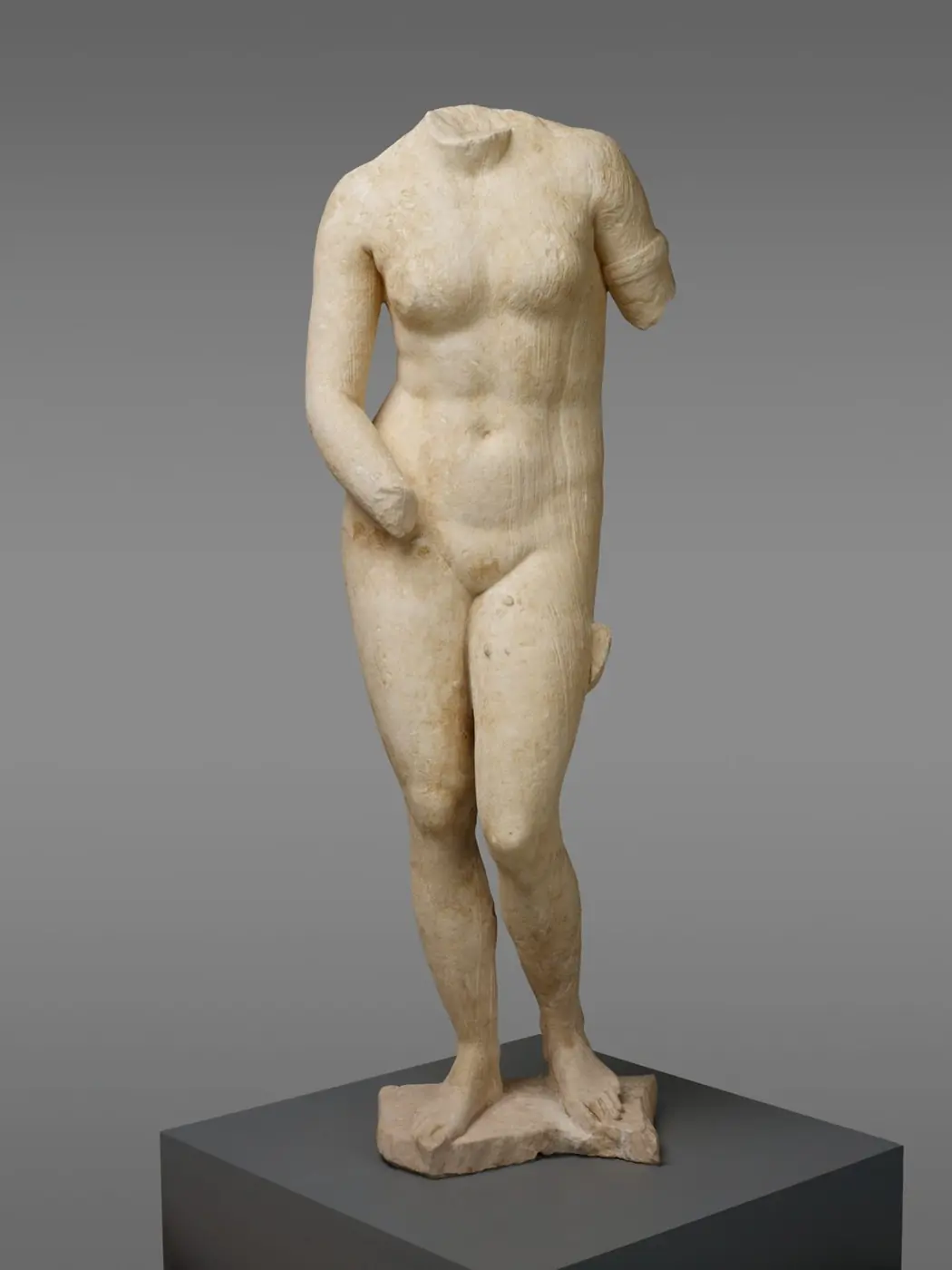
Ancient Roman, Statue of the Aphrodite of Knidos, 2nd century · Art Institute of Chicago, CC0 04 Law and medicine Habeas corpus, alibi, in vitro, placebo. Lawyers and doctors use Latin every working day.
Ancient Roman, Portrait Head of a Woman, 117-30 · Art Institute of Chicago, CC0 05 Read Rome in the original Caesar’s war reports, Cicero’s speeches, Ovid’s myths and Vergil’s Aeneid, with no translator in the way.
Giovanni Battista Piranesi, The Pyramid of Gaius Cestius, 1750/59, published 1800–07 · Art Institute of Chicago, CC0 06 The Latinum Many university subjects in Germany, such as history, theology and philology, ask for it. We prepare you.
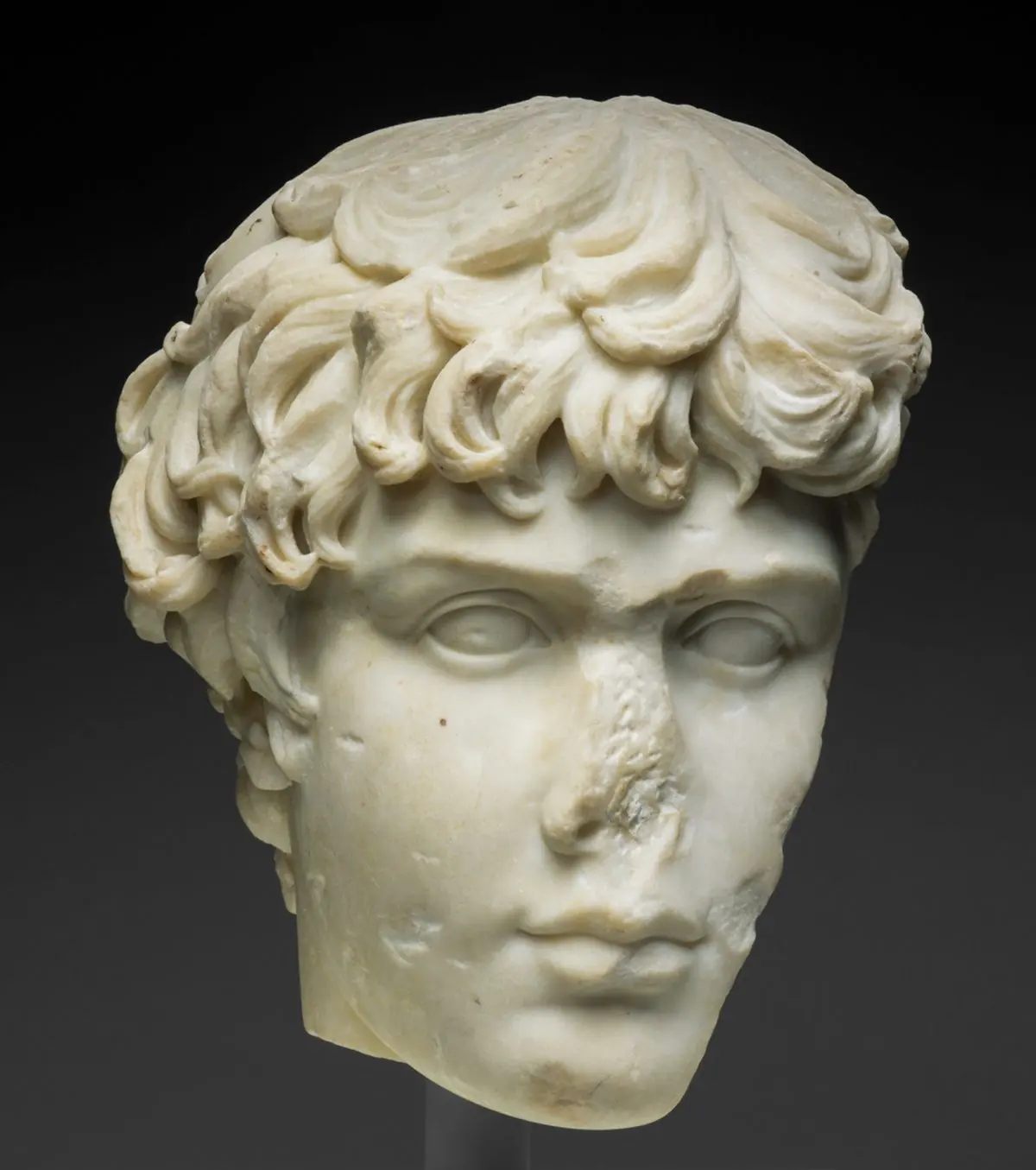
Ancient Roman, Portrait Head of Antinous, about 130-138 · Art Institute of Chicago, CC0 900M+ people speak a language that grew out of Latin as their mother tongue
56% of English words come from Latin, directly or through French
5 major modern languages descend from it
Sources: Wikipedia, “Romance languages”; Finkenstaedt & Wolff (1973): 28% of English words from Latin, 28% from French.
The place
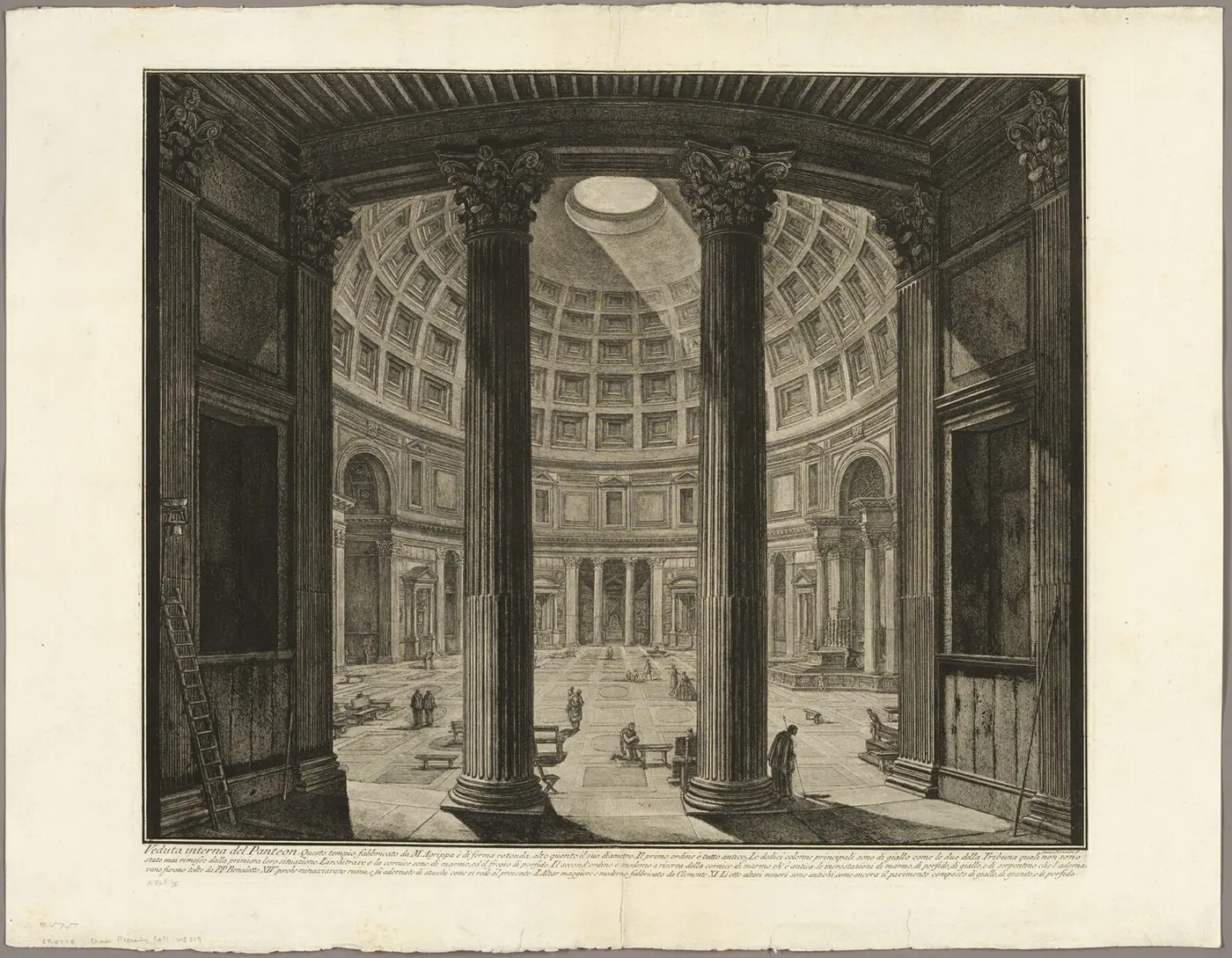
Built to last. Piranesi drew the Pantheon’s dome, which has stood for nineteen centuries. Latin lasts the same way.
Giovanni Battista Piranesi, Interior view of the Pantheon, 1768, published 1800–07 · Art Institute of Chicago, CC0 Start your Latin
Disce gaudere.
Learn to rejoice. Seneca, Letters 23
Ask about Latin
Hubert Robert, The Landing Place, 1788 · Art Institute of Chicago, CC0 Next room Ελληνικά →
Ελληνικά · The case for Greek
Καλώς ήρθατε! Thousands of islands, a famous kitchen and 3,400 years of writing. Speak Greek, and Greece opens its doors.
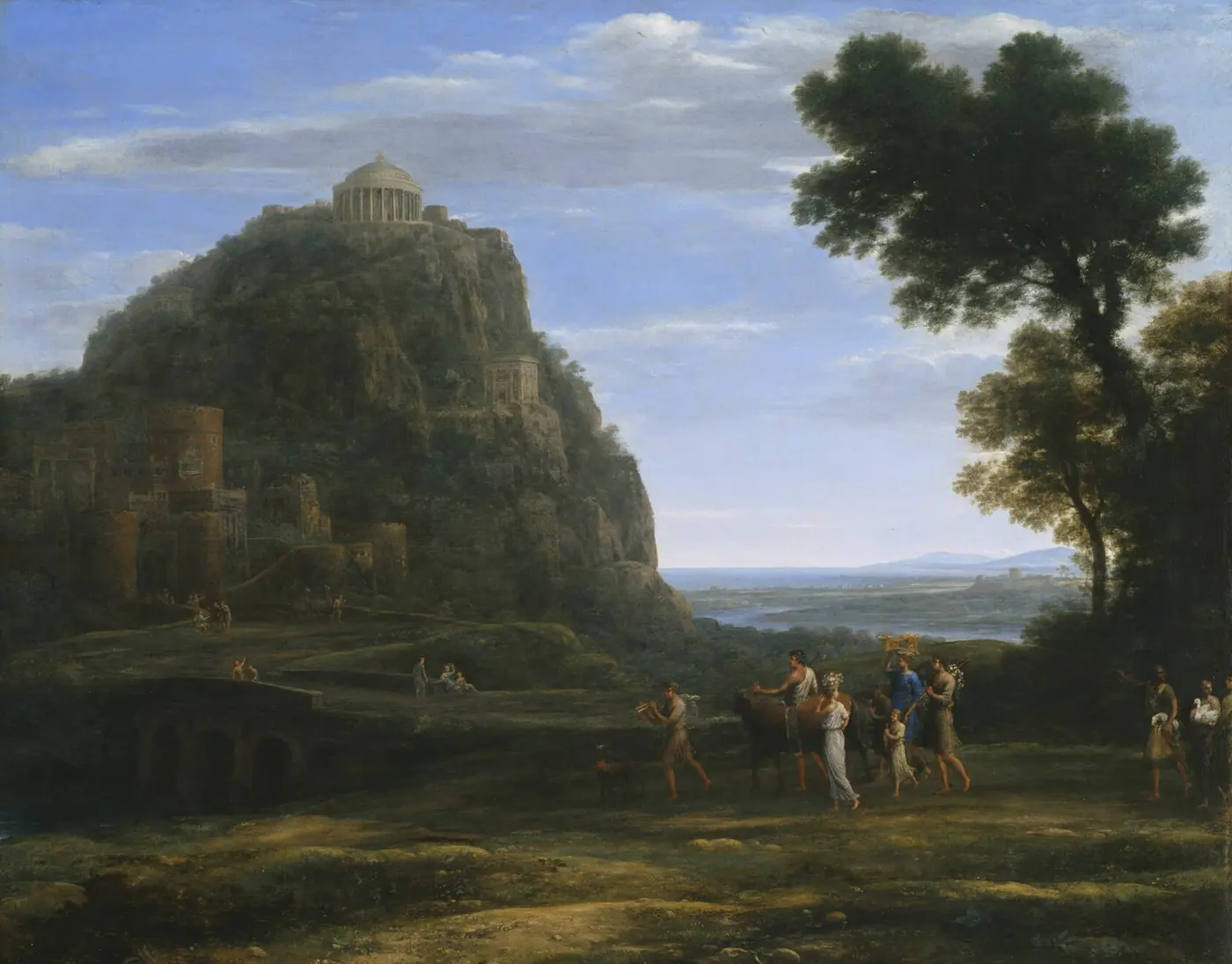
Claude Lorrain, View of Delphi with a Procession, 1673 · Art Institute of Chicago, CC0 Κέρκυρα
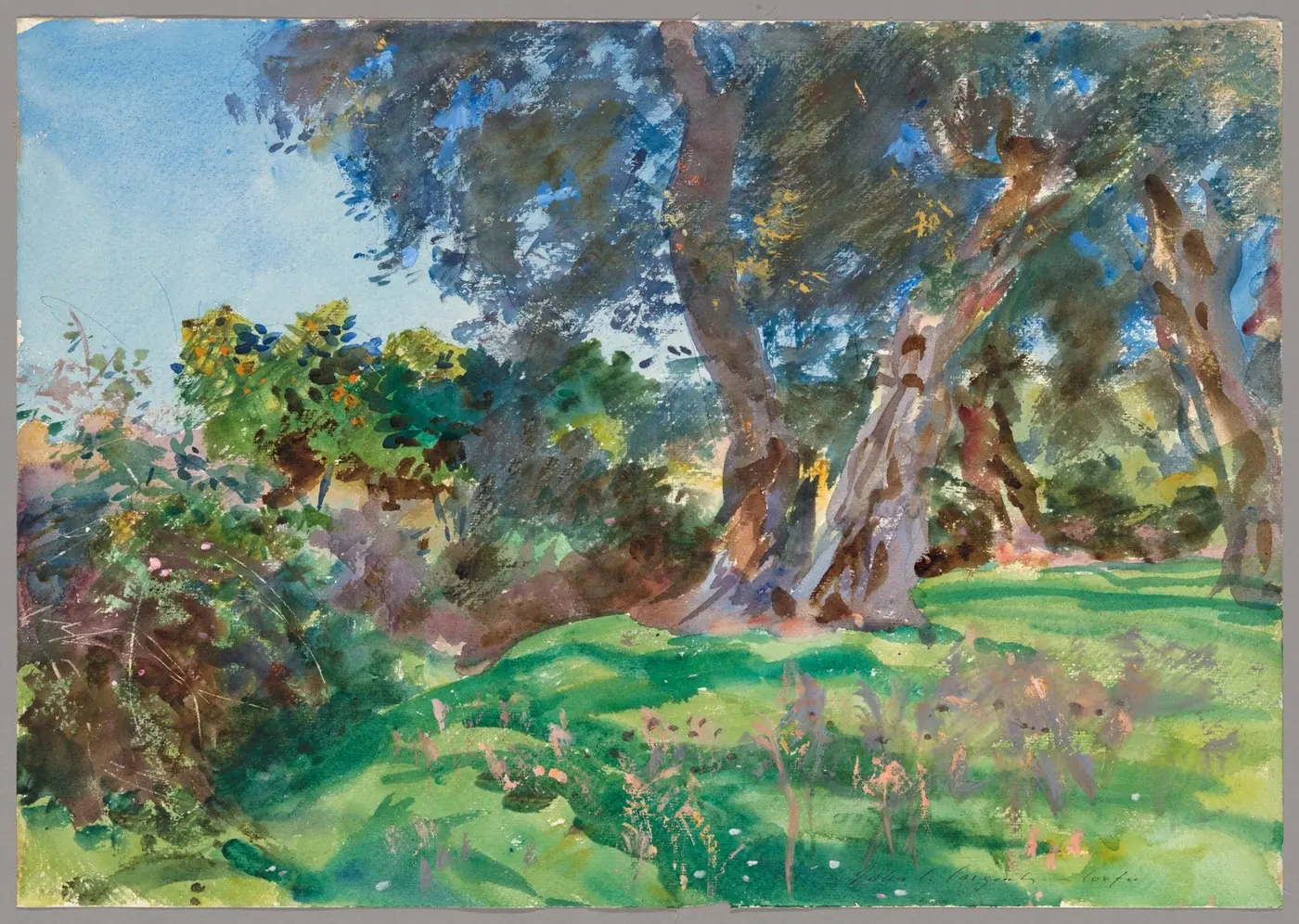
Olive groves on Corfu. Sargent painted these trees in 1909. The groves are still there, and so is the welcome.
John Singer Sargent, Olive Trees, 1909 · Art Institute of Chicago, CC0 Πάτμος
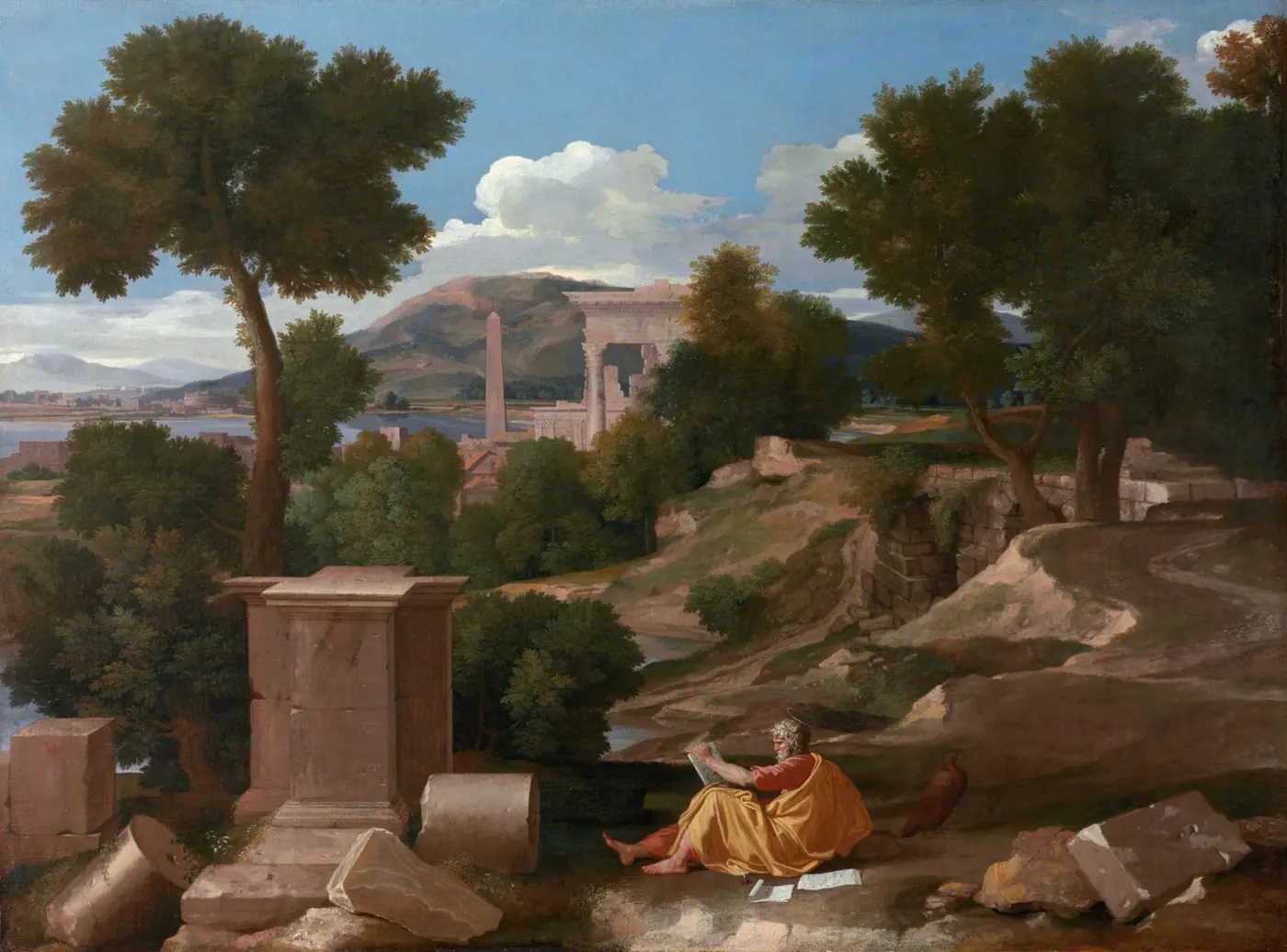
Island by island. Poussin painted Saint John on Patmos. Today you can take the ferry there and order lunch in Greek.
Nicolas Poussin, Landscape with Saint John on Patmos, 1640 · Art Institute of Chicago, CC0 Why Greek
Six reasons to learn Greek. 01 Island life from the inside The harbour taverna, the ferry gossip, the village festival: not only the beach.
Théodore Caruelle d' Aligny, Cyclades: the Porticos of Philip, 1846 · Art Institute of Chicago, CC0 02 Philoxenia Φιλοξενία, love of strangers. A few words of Greek turn guests into friends.
John Singer Sargent, Under the Cypress Trees at Corfu, 1909 · Art Institute of Chicago, CC0 03 A kitchen worth the trip Ordering is easy. Talking to the cook about the recipe is better, and that takes Greek.
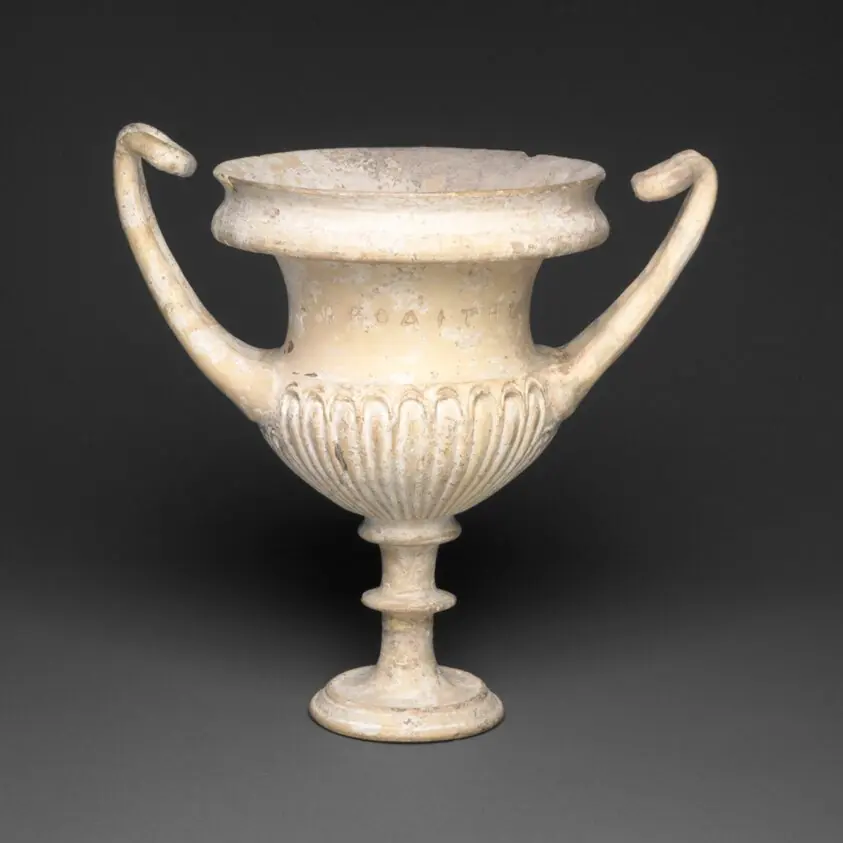
Ancient Greek, Kantharos (Wine Cup), 310-280 BCE · Art Institute of Chicago, CC0 04 Music with a story Rebetiko, the blues of Greece, is on UNESCO’s intangible heritage list. Understand the lyrics and it hits differently.
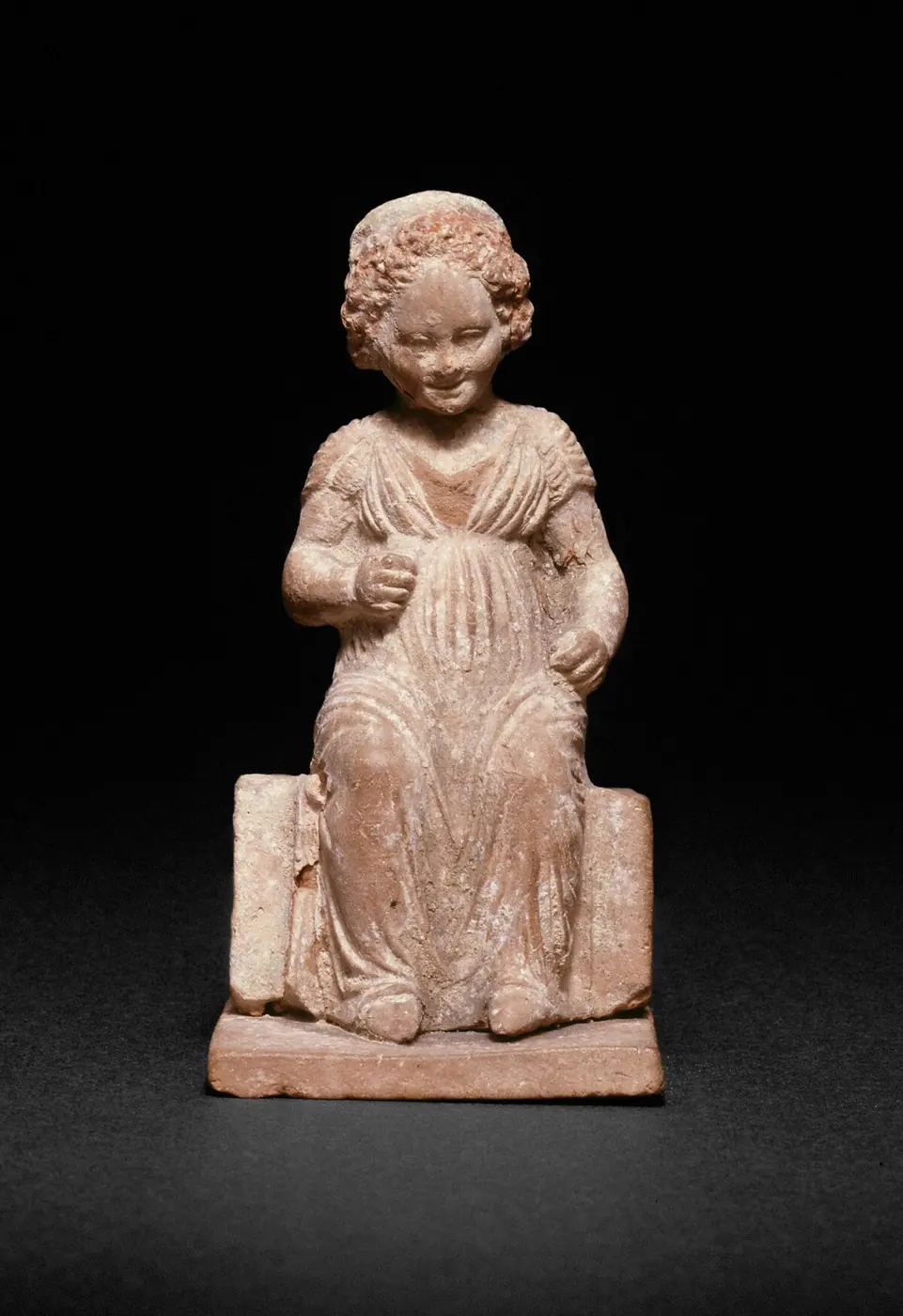
Ancient Greek, Statuette of a Seated Girl, 330-320 BCE · Art Institute of Chicago, CC0 05 A worldwide community Official in Greece and Cyprus, an official EU language, alive from Melbourne to Chicago.
Théodore Caruelle d' Aligny, View of Délos: Cyclades. Port of Délos, 1845 · Art Institute of Chicago, CC0 06 A bridge to the ancients Modern Greek uses the alphabet of Homer and Plato. It is the best first step towards Ancient Greek.
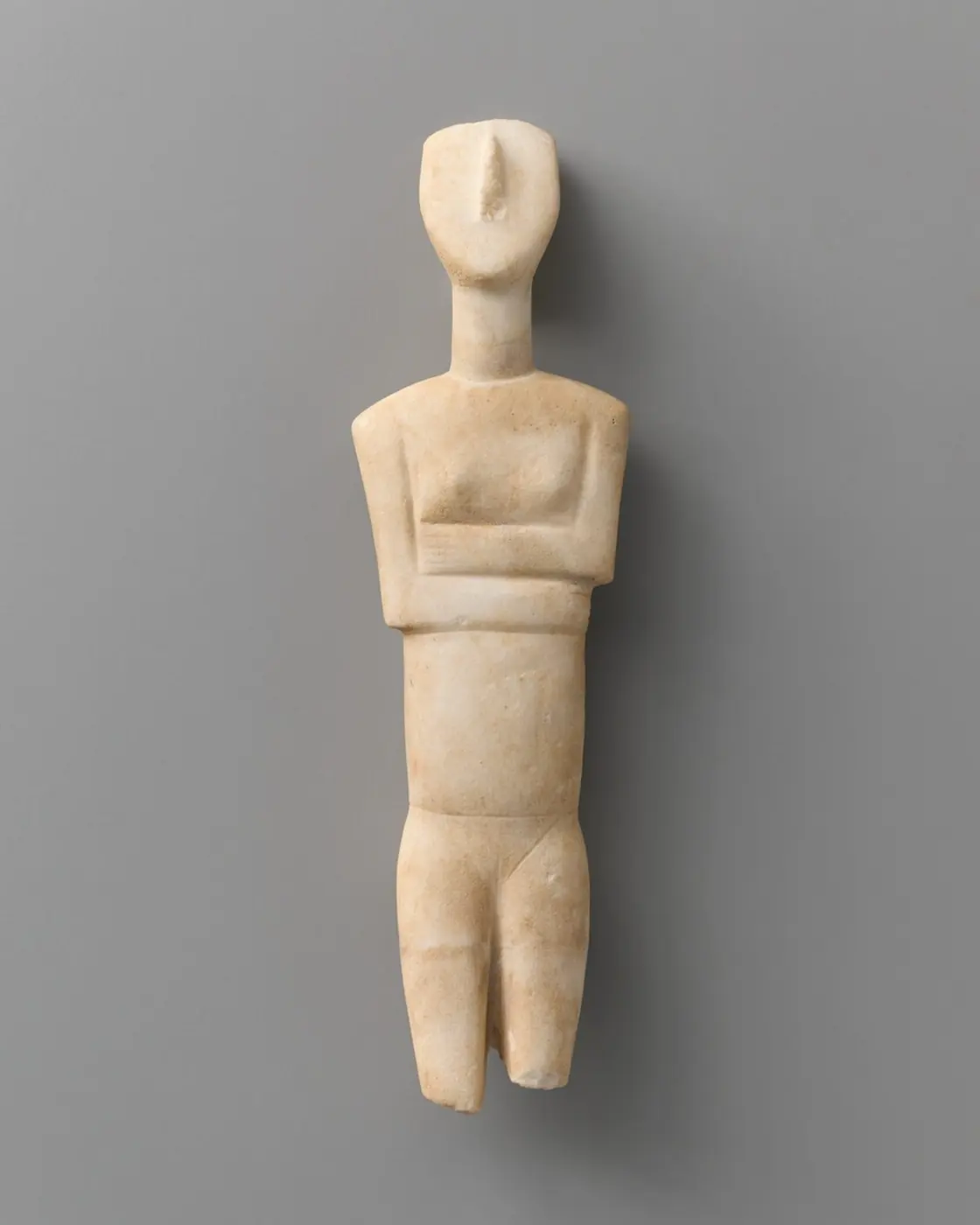
Ancient Greek, Statuette of a Female Figure, Early Bronze Age, 2600–2400 BCE · Art Institute of Chicago, CC0 Source: Greek National Tourism Organisation. Other counts start at about 1,200 islands, depending on the minimum size.
The place
The view from the Pnyx. Where Athenians once met to vote, you can stand today and talk with Athenians.
Théodore Caruelle d' Aligny, The Acropolis, 1845 · Art Institute of Chicago, CC0 Start your Greek
Τα λέμε στο μάθημα!
See you in class.
Ask about Greek
Certificate of Attainment in Greek John Singer Sargent, Olive Trees, 1909 · Art Institute of Chicago, CC0 Next room Ἑλληνική →
Ἑλληνικὴ γλῶσσα · The case for Ancient Greek
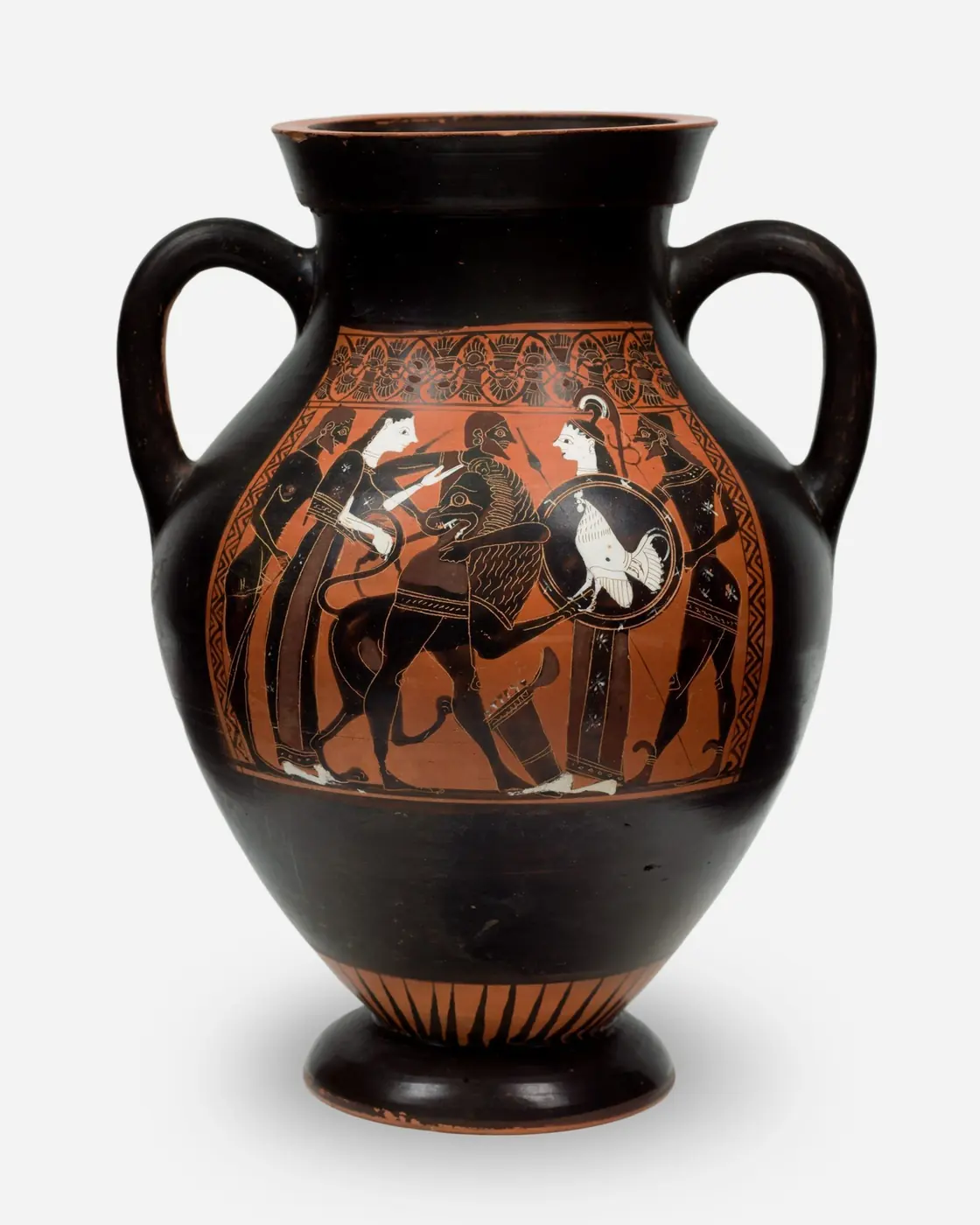
Χαίρετε. Democracy, philosophy, theatre and history began here. Read the people who invented them in their own words.
Achilles Painter, Amphora (Storage Jar), 460-450 BCE · Art Institute of Chicago, CC0 Κύλιξ
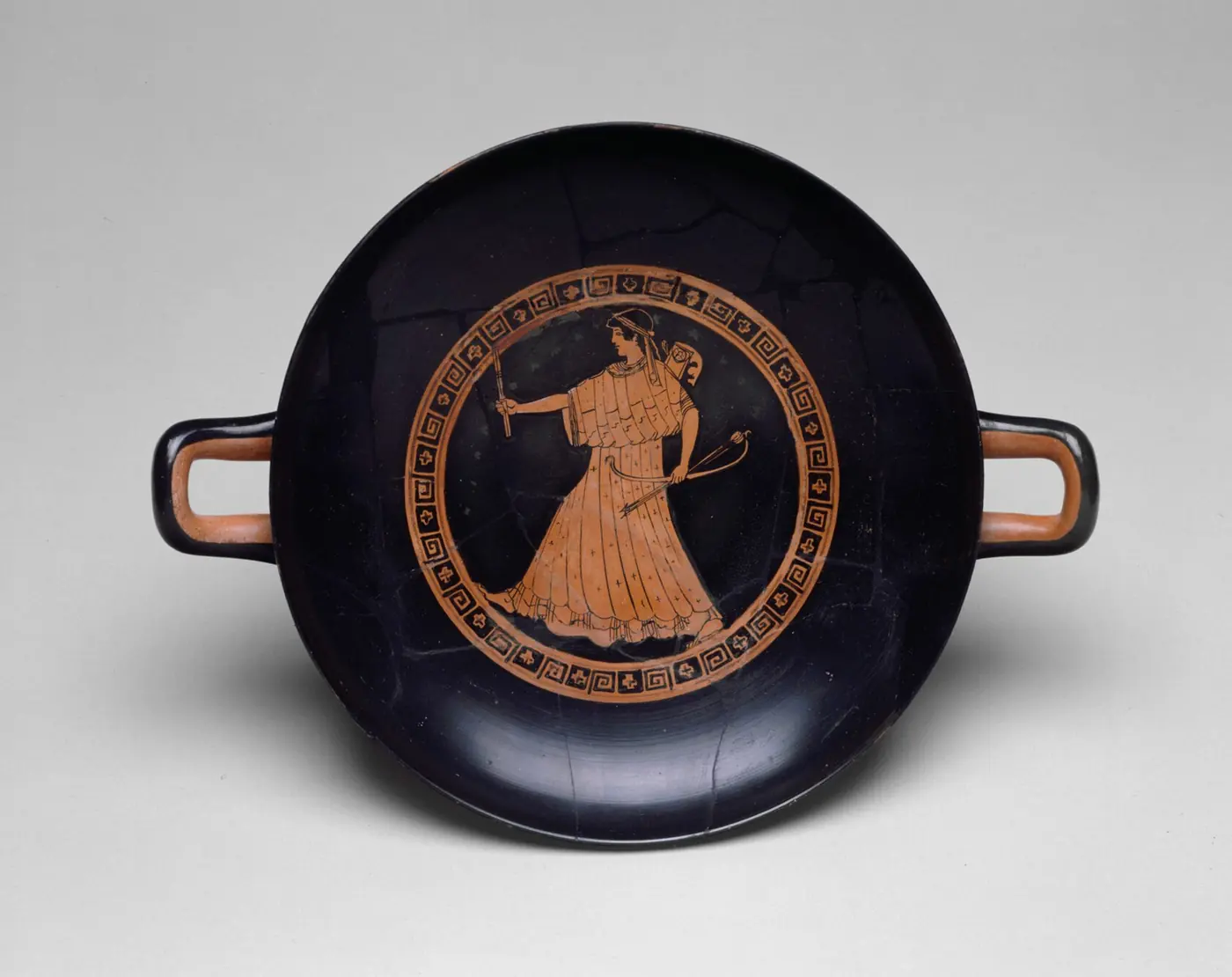
Drink from the source. Athenians drank from cups like this while they invented democracy, theatre and philosophy.
Style of Douris, Kylix (Drinking Cup), about 480 BCE · Art Institute of Chicago, CC0 Κρατήρ
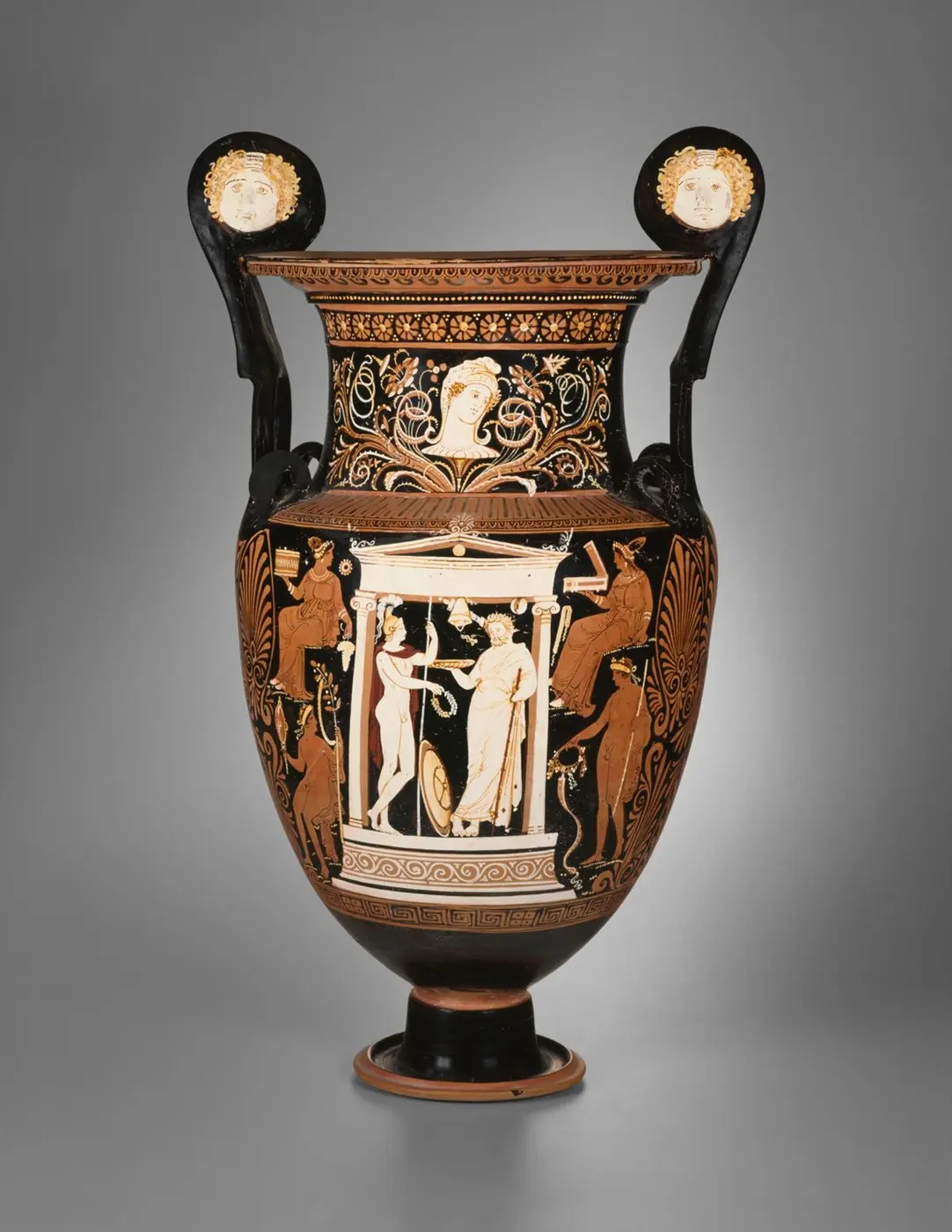
Painted 2,400 years ago. Wine was mixed in bowls like this at the symposium, where philosophy was talked out loud.
Ancient Greek, Volute Krater (Mixing Bowl), About 340 BCE · Art Institute of Chicago, CC0 Why Ancient Greek
Six reasons to learn Ancient Greek. 01 Read the originals Homer, Sappho, Herodotus, Sophocles, Plato. Every translation is someone’s interpretation. Read theirs.
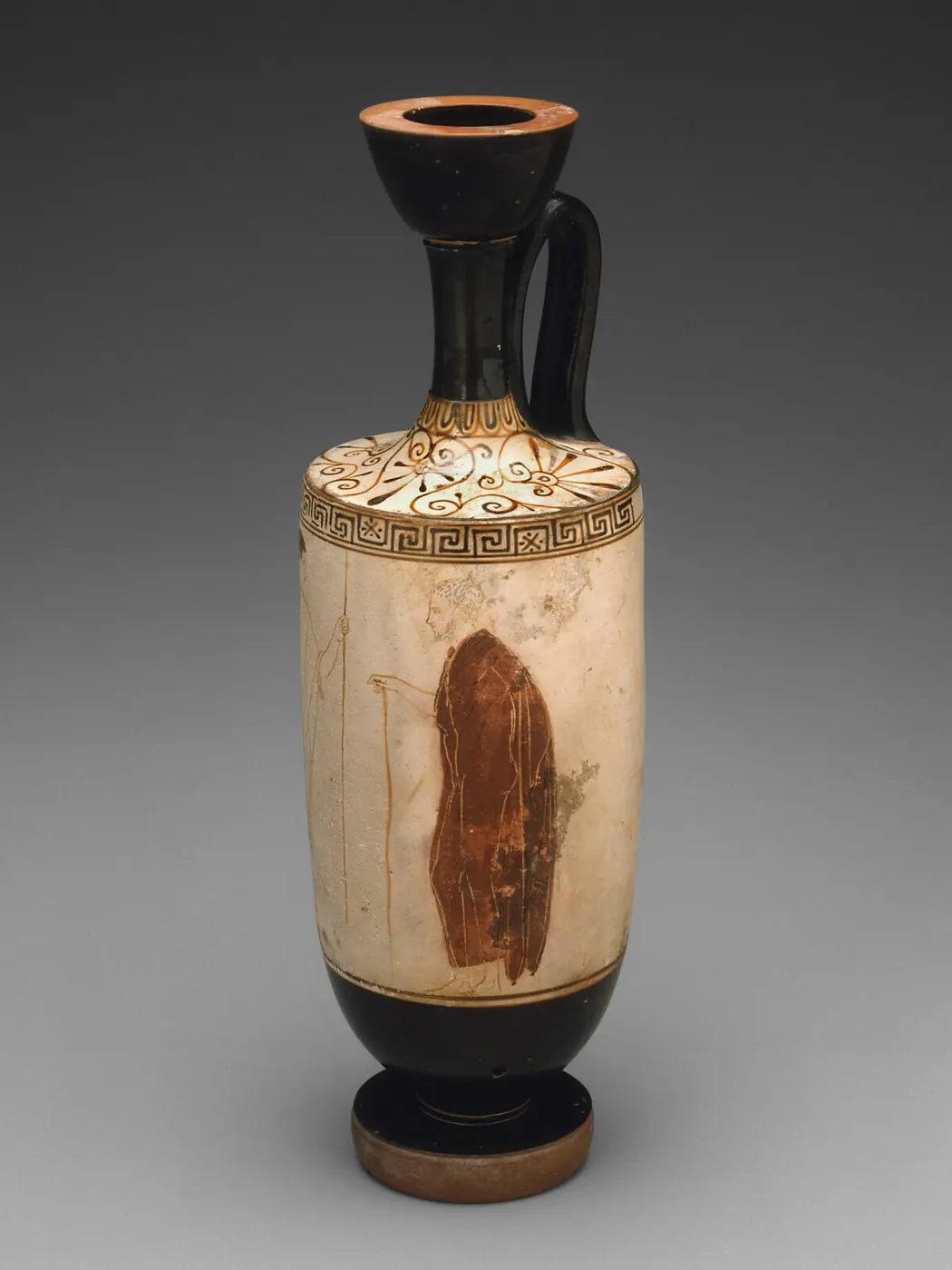
Achilles Painter, Lekythos (Oil Jar), 445-440 BCE · Art Institute of Chicago, CC0 02 Where ideas began Democracy, philosophy, history, theatre and medicine got their names, and their first great texts, in Greek.
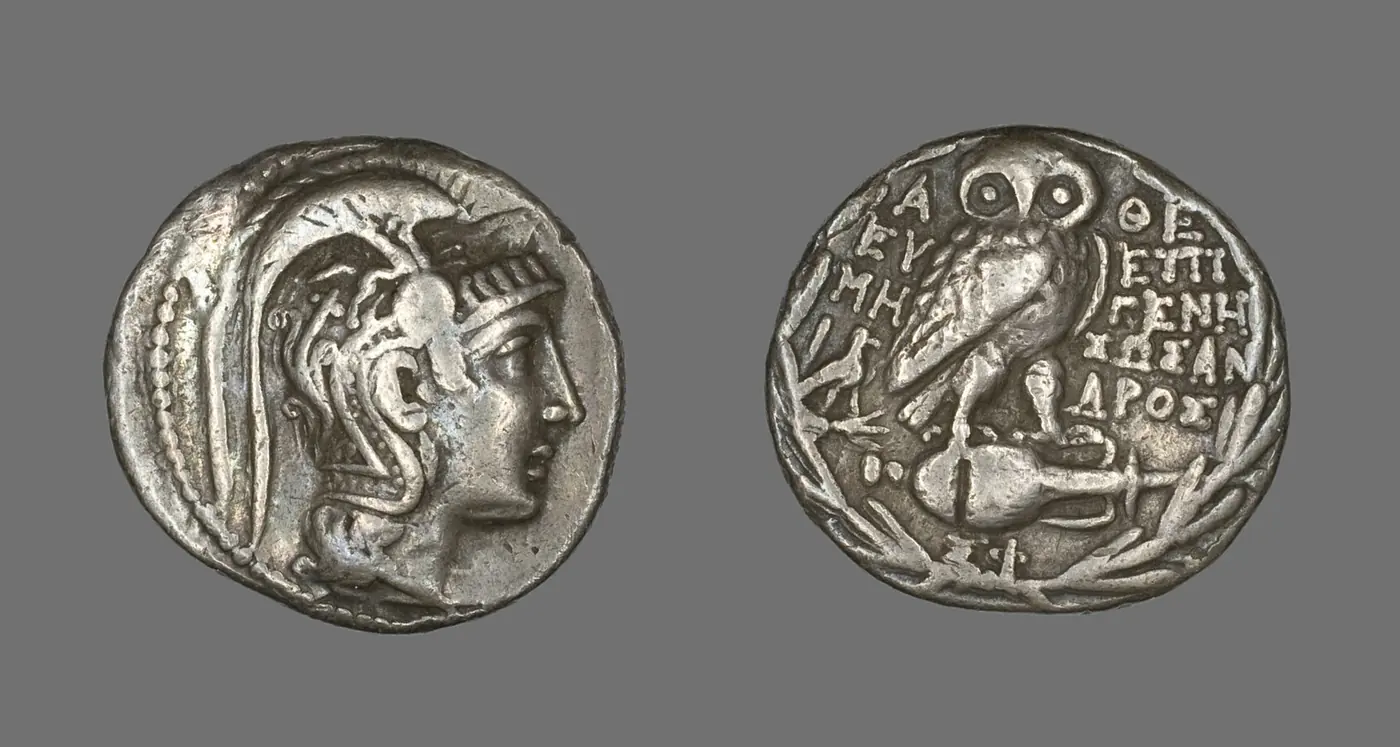
Ancient Greek, Tetradrachm (Coin) Depicting the Goddess Athena, about 163 BCE · Art Institute of Chicago, CC0 03 Decode the words of science Biology, telephone, photosynthesis: science builds words from Greek parts. New terms start to explain themselves.
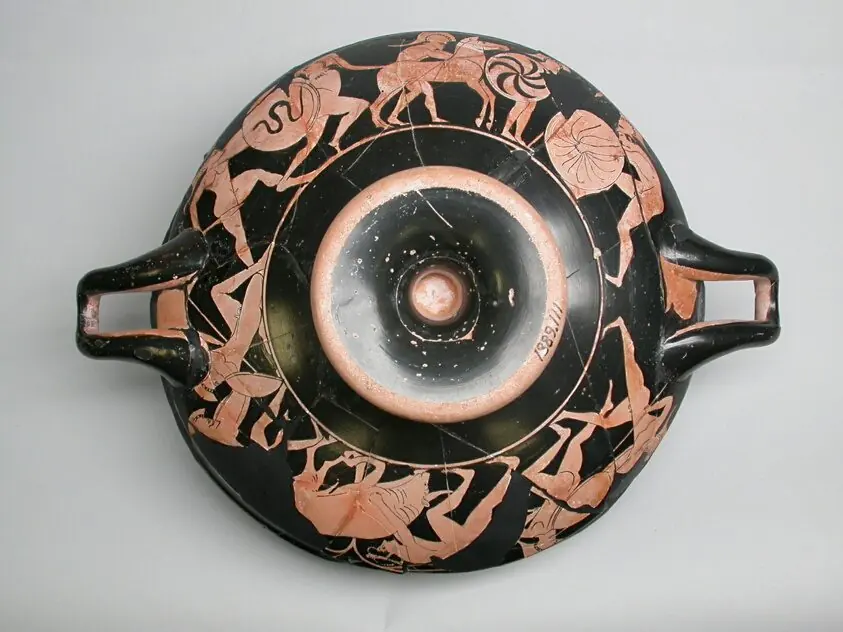
Epeleios Painter, Kylix (Drinking Cup), 510-500 BCE · Art Institute of Chicago, CC0 04 The New Testament It was written in Koine Greek. Theology students read it in the original.
Ancient Greek, Fragment of a Funerary Lekythos (Monument in the Shape of an Oil Jar), 4th century BCE · Art Institute of Chicago, CC0 05 The Graecum Theology, philosophy and classics degrees in Germany often ask for it. We prepare you.
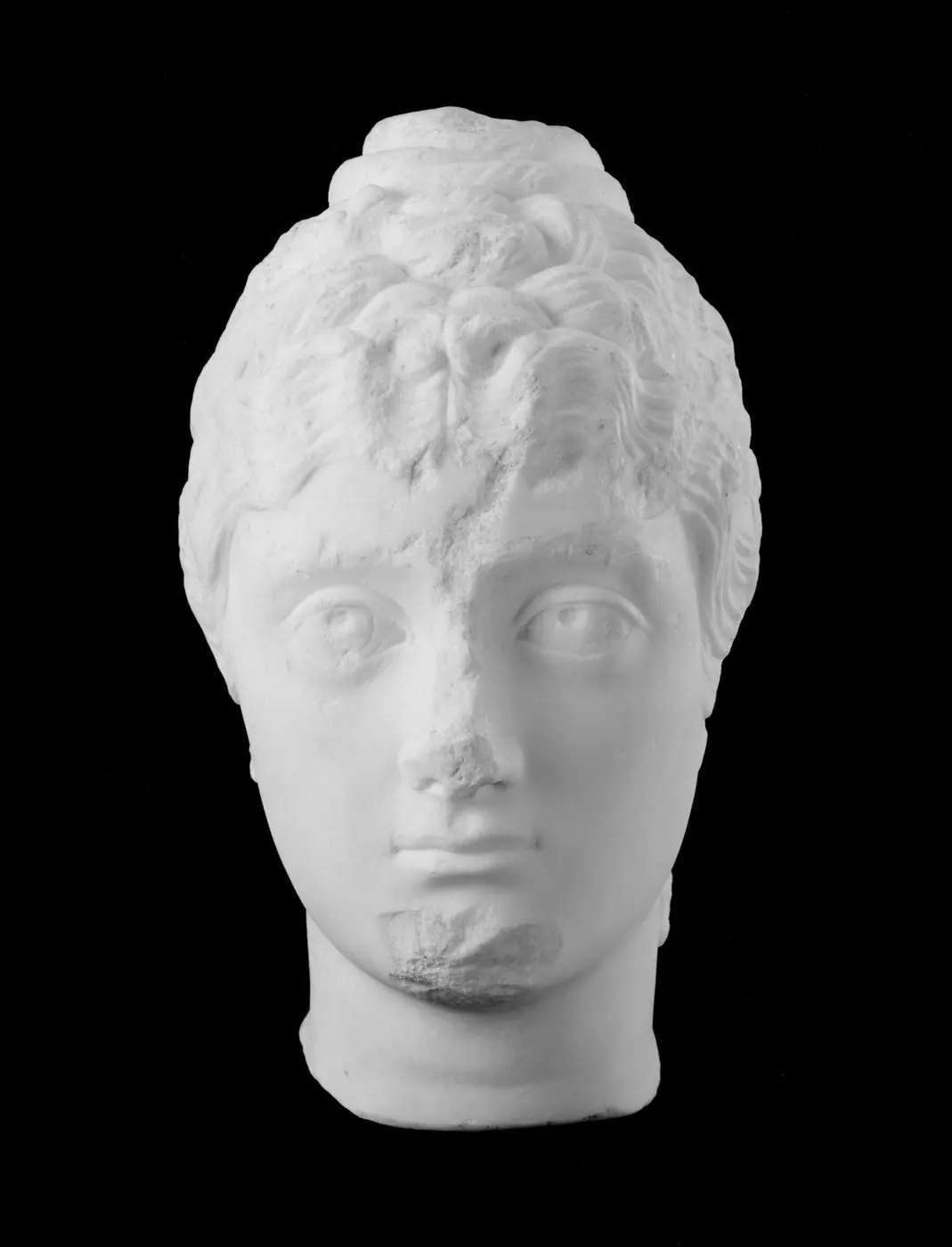
Ancient Roman, Portrait Head of a Woman, about 140 · Art Institute of Chicago, CC0 06 A head start everywhere Ancient Greek gives you a head start in Modern Greek and makes Latin feel familiar.
Ancient Greek, Helmet, 4th century BCE · Art Institute of Chicago, CC0 ≈2,700yrs since Homer’s epics took shape
776BC the traditional date of the first Olympic Games
508BC democracy comes to Athens
Traditional dates. Homer’s epics are usually dated to the 8th or 7th century BC; Cleisthenes’ reforms to 508/507 BC.
The place
The original blueprint. Columns, proportions, democracy, philosophy: Europe copied Athens for two thousand years. Ancient Greek lets you read the plans.
Théodore Caruelle d' Aligny, The Acropolis of Athens, 1845 · Art Institute of Chicago, CC0 Start your Ancient Greek
ἀρχὴ ἥμισυ παντός.
The beginning is half of the whole.
Ask about Ancient Greek
Painter of Tarquinia RC 3984, Belly-Amphora (Storage Jar), 550-540 BCE · Art Institute of Chicago, CC0 Next room Italiano →